

A Bird in Hand
Root & Bloom
Avian Haven rescues Maine’s baby birds
Words By Paula Crossfield
Photos Courtesy of Avian Haven
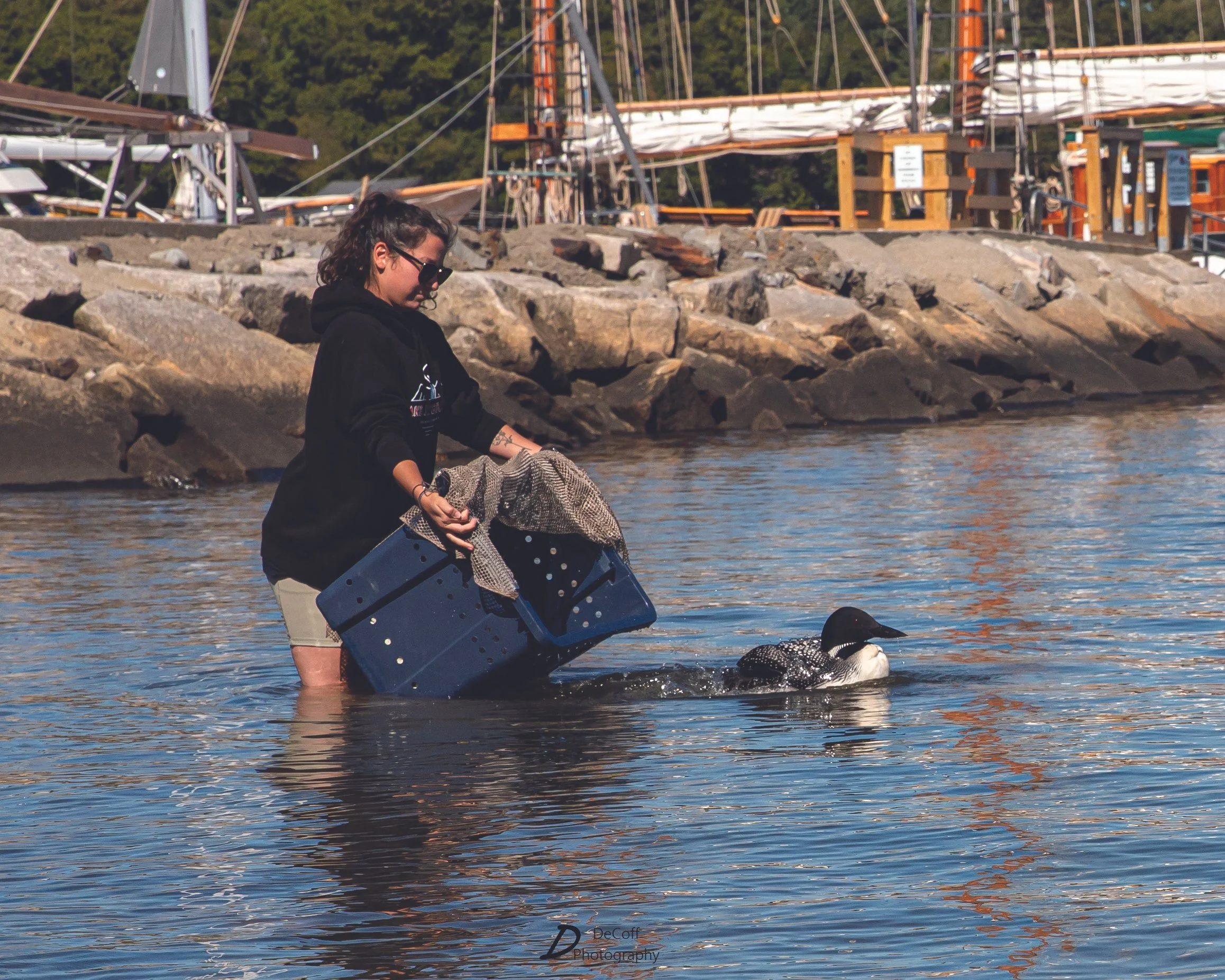
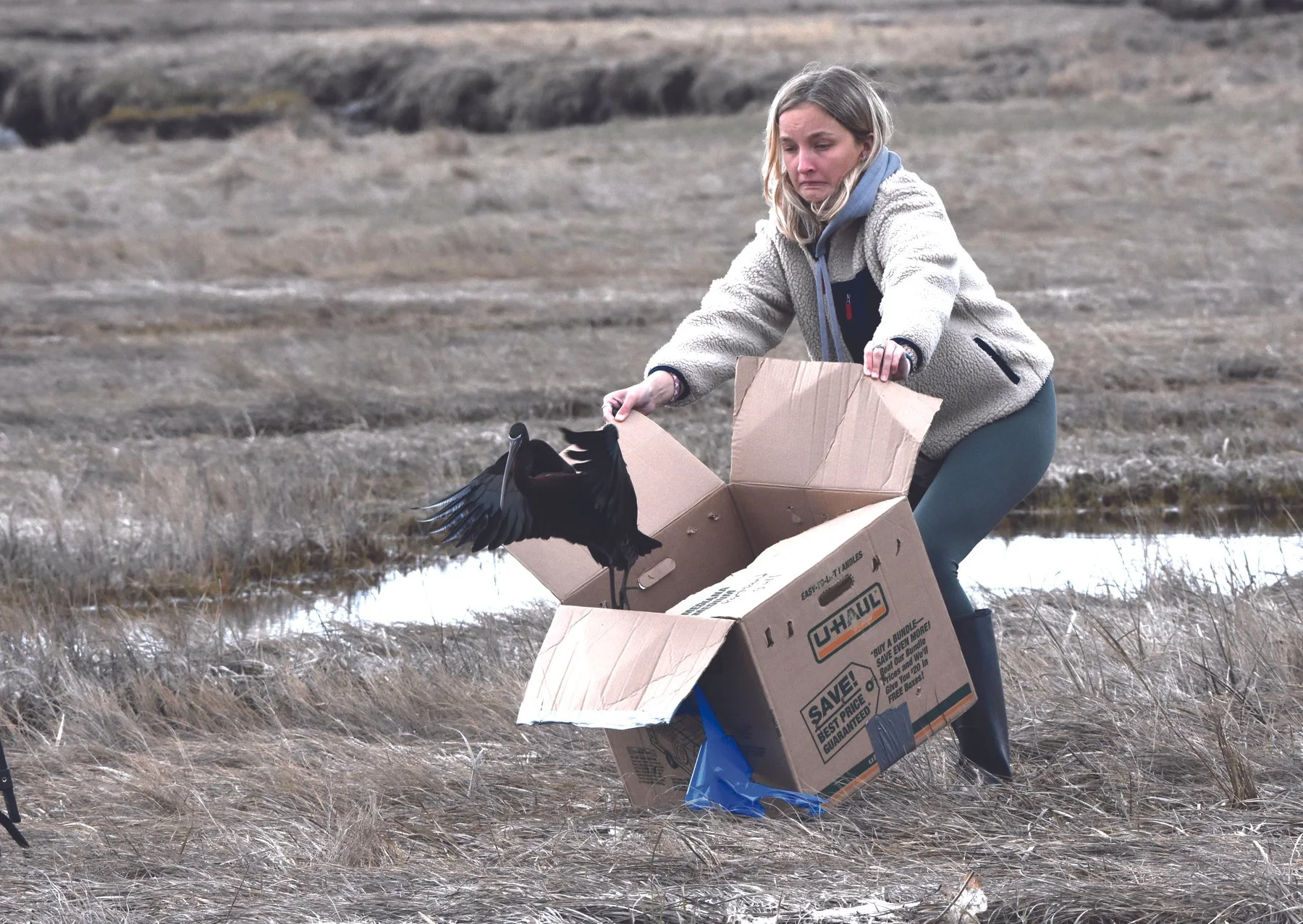
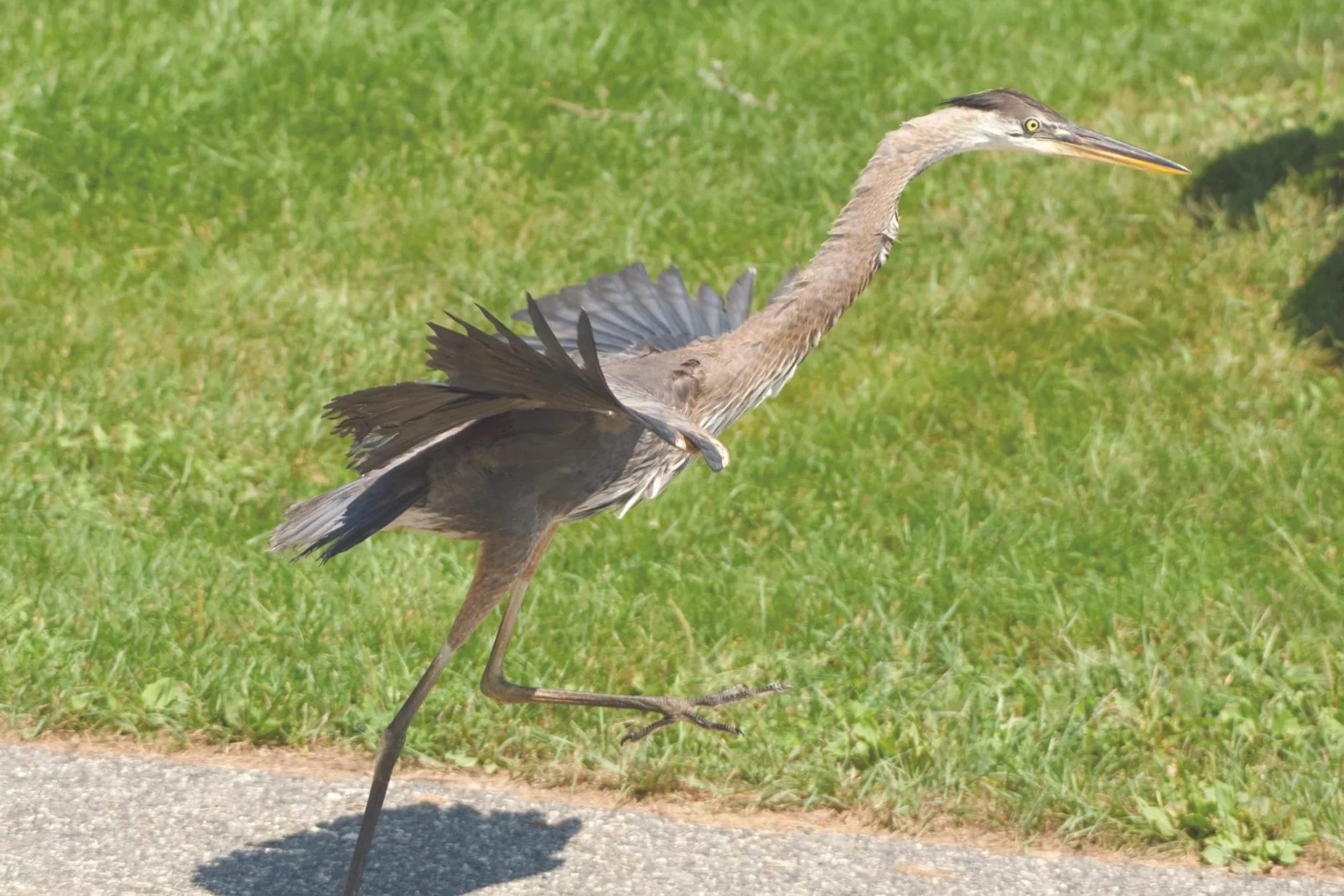
Here’s the myth that we hear each spring: “If you touch a baby bird, the parents won't accept it.” This is false.
If a nestling is near the nest and uninjured, returning it is often the right call. If it’s a fledgling on the ground with feathers, it’s likely meant to be there—spending 24 to 48 hours stretching wings before its first flight. In these cases, leave the bird alone, keep pets indoors, and allow parents to do what evolution prepared them for. If you are unsure, call Avian Haven in Freedom, a nonprofit dedicated to saving orphaned nestlings and getting them healthy for release.
Avian Haven receives 1,000 baby birds between May and August—robins, ducklings, house finches, and dozens of other species. Many arrive tiny and featherless, orphaned, or injured. All will need help. On any day, four rehabilitation specialists, two interns, and 100+ on-call volunteer transporters work across the state to keep tiny birds alive everyday. It’s exhausting, chaotic, and essential.
“Wildlife rehab is a chance to undo some of the damage that humanity has created, even if it was just on a small scale, one bird at a time,” says Abby Everleth, a rehabilitation technician at Avian Haven.
May starts the nesting season, and baby birds are vulnerable. A property owner trimming branches doesn’t realize they’re destroying a nest. A homeowner cleaning gutters doesn't know a robin family has moved in. Predation and weather compound the problem: a cat finds a nest, a storm knocks nestlings down, a parent is struck by a car. Each crisis demands human intervention.
Avian Haven is one of the Northeast’s largest bird rehabilitation centers that rescues, rehabilitates, and releases Maine’s injured, sick, and orphaned wild birds. During the year, the nonprofit cares for more than 3,000 birds. But in spring and early summer—when the nesting season collides with human activity—the influx of baby birds becomes overwhelming.
-
Spring will bring baby birds. If you find one, the first question matters most: Does it have feathers?
If it has feathers it is a fledgling: Listen for parents nearby. If you hear adult birds calling, leave it alone. These birds are meant to spend 24 to 48 hours on the ground. Robins, Cedar Waxwings, and crows, for example, spend time in bushes as youngsters before flying. Keep pets inside and let nature proceed.
If it’s mostly naked it is a vulnerable nestling: Look for a nest nearby. If found and the bird isn't injured, gently place it back. If there is no way to get to the nest or it is injured, give Avian Haven a call at 207-382-6761. The facility is open 9 a.m. to 5 p.m. daily, all year round, and staff can usually tell from a photo if intervention is needed.
A woman called one afternoon, her voice trembling. Under her porch was a tiny ball of fluff—a barred owl, separated from or abandoned by its parents. Wesley Hutchins, Avian Haven’s admissions coordinator and rehabilitation assistant, took one look at the photo she sent and knew what to do. He talked her through it: find a cardboard box, punch holes, arrange a cloth like a nest, use gardening gloves to gently place the owl inside. She drove it in, and Hutchins watched her transform. “I was wicked proud of her. She went from scared to bringing it in like a pro,” he says.
That’s Avian Haven’s spirit: guided by expertise, but animated by compassion.
Once a bird arrives, the first step is sometimes the hardest: identifying the species. Getting it right is essential—different birds eat different things. Once identified, each bird is examined for injuries and parasites, then placed in an incubator with other birds of the same species for socialization.
Then comes feeding. Every 30 minutes, rehabilitation assistants use droppers to place a slurry formula into hungry mouths or tweezers to offer mealworms, mimicking what a mother would do. As birds grow, they graduate to rooms with slightly older juveniles, fed hourly until they’re eating on their own. Feathers develop. Personalities emerge. Finally, they move to outdoor enclosures to learn foraging, navigation, and species recognition. When ready—able to fly, self-feed, and recognize others of their species—they’re released into the wild. The whole process can take three to four weeks, depending on any injuries or the species.
This work is only possible through community. Before the baby bird season begins, volunteers gather for “fruitapalooza” to make the pieces of fruit that feed dozens of bird species. During the season, volunteer transporters across Maine answer calls to rescue injured and orphaned birds and interns provide support. None are paid. All are essential. Donations are vital—they fund food, medicine, facilities, rehabilitation assistants and staff, and equipment.
Many of the baby birds that come through Avian Haven make it. They fledge, are released, and soar as wild birds should. It’s a circle of care that begins with compassion and ends with freedom. This spring, if you find a baby bird in need, remember: you’re not alone. Behind you is a network of volunteers, rehabilitation specialists, and a nonprofit ready to answer the call.
“Birds are awesome,” Hutchins says, about why he does this work. It is a sentiment you’ll hear from all the staff and volunteers. It captures something true about Avian Haven: the work isn't a burden. It’s a gift.
To learn more about Avian Haven’s work, scan the QR code or visit avianhaven.org