

At the Edge of Maine
worth the drive
At Maine’s borders with New Hampshire, Quebec, and New Brunswick, culture, history, and flavor flow freely.
words by michael colbert
Acadian Flavors in the St. John Valley
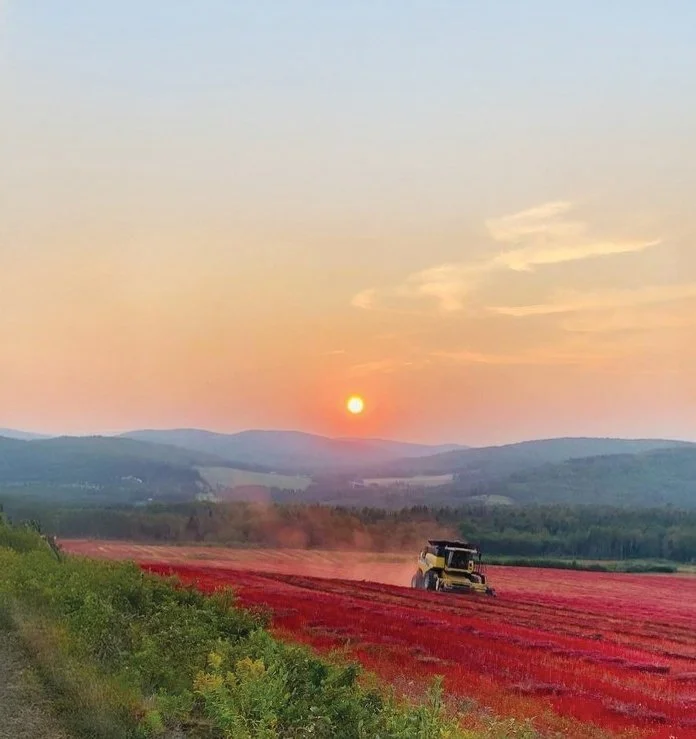
While many people might think about potatoes when they consider agriculture in Aroostook County, buckwheat has been as much a part of the region’s industry since the 1780s. For six generations, Bouchard Family Farms in Fort Kent has been harvesting the region’s riches, but in the 1980s, a visit to New Orleans changed the game.
“One of my sisters had gone to New Orleans and picked up a bag of French doughnuts called beignets,” says Joe Bouchard, part of the family’s fifth generation on the farm. “She brought that back with her and thought we could try to package ployes and sell them on the market.”
Ployes, a French-Acadian flatbread made from a mix of buckwheat flour and wheat flour, are a comforting staple across the St. John Valley, where Francophone culture runs deep in the local cuisine. The global success of one French Acadian export inspired the Bouchard family to try the same with ployes.
The Bouchards began the operation in their kitchen and upscaled to their garage, which they converted into a mixing and packaging facility. When production outpaced what was possible within their home operation in 1997, they found a dismantled mill in Canada, which they pieced together into the 10,000-square-foot facility used today.
“There was definitely a lot of skepticism, but we started slow, and it grew and grew to where we are now,” Bouchard says.
Ployes aren’t the only Acadian dish the family loves, though—they pair well with cretons, a creamy pork spread like pâté. True enthusiasts can also travel to Fort Kent for the annual Ploye Festival in June. Come ready to eat, though. The star of the show is the making of the world’s largest ploye.
Presidential History Yields International Cooperation in New Brunswick
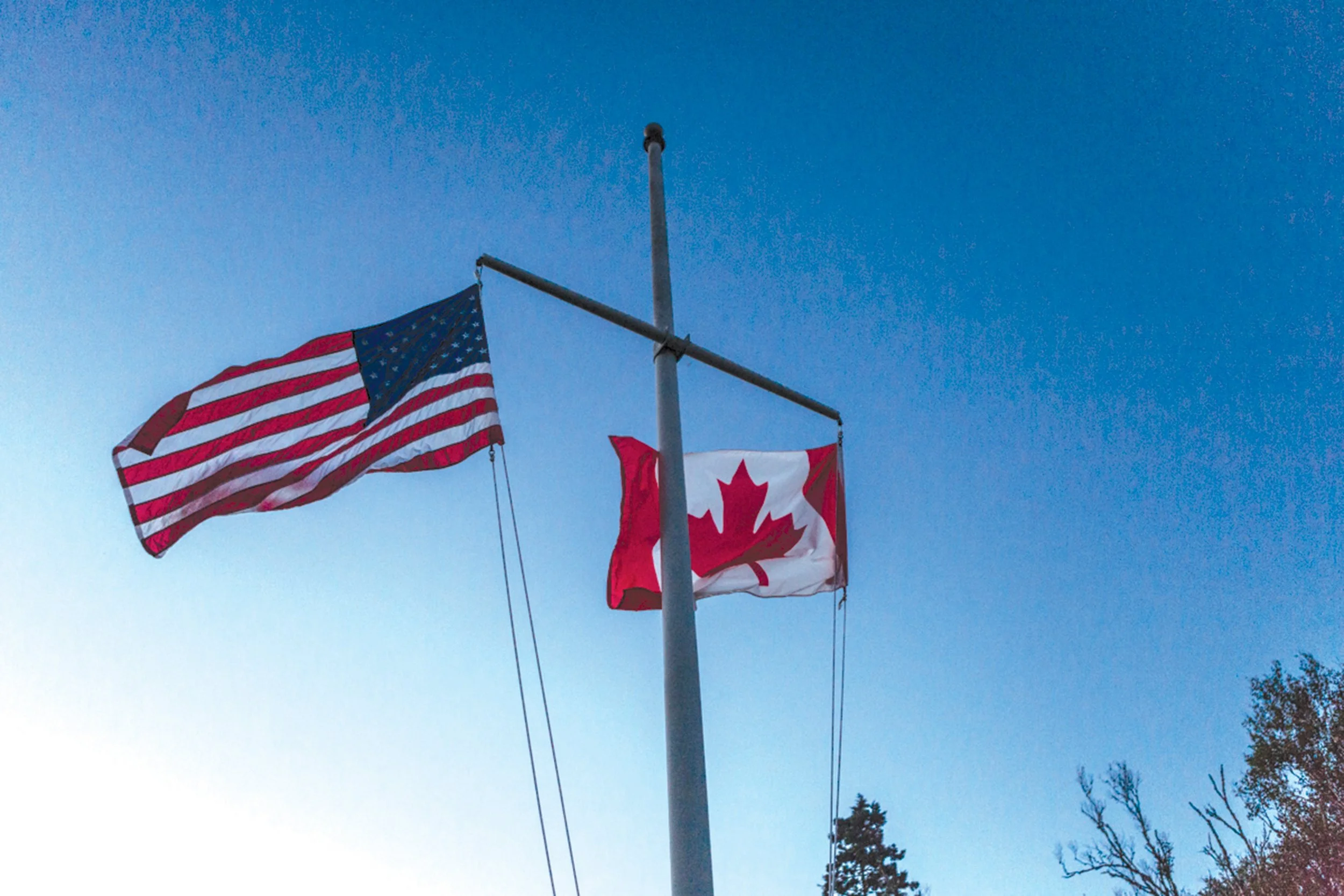
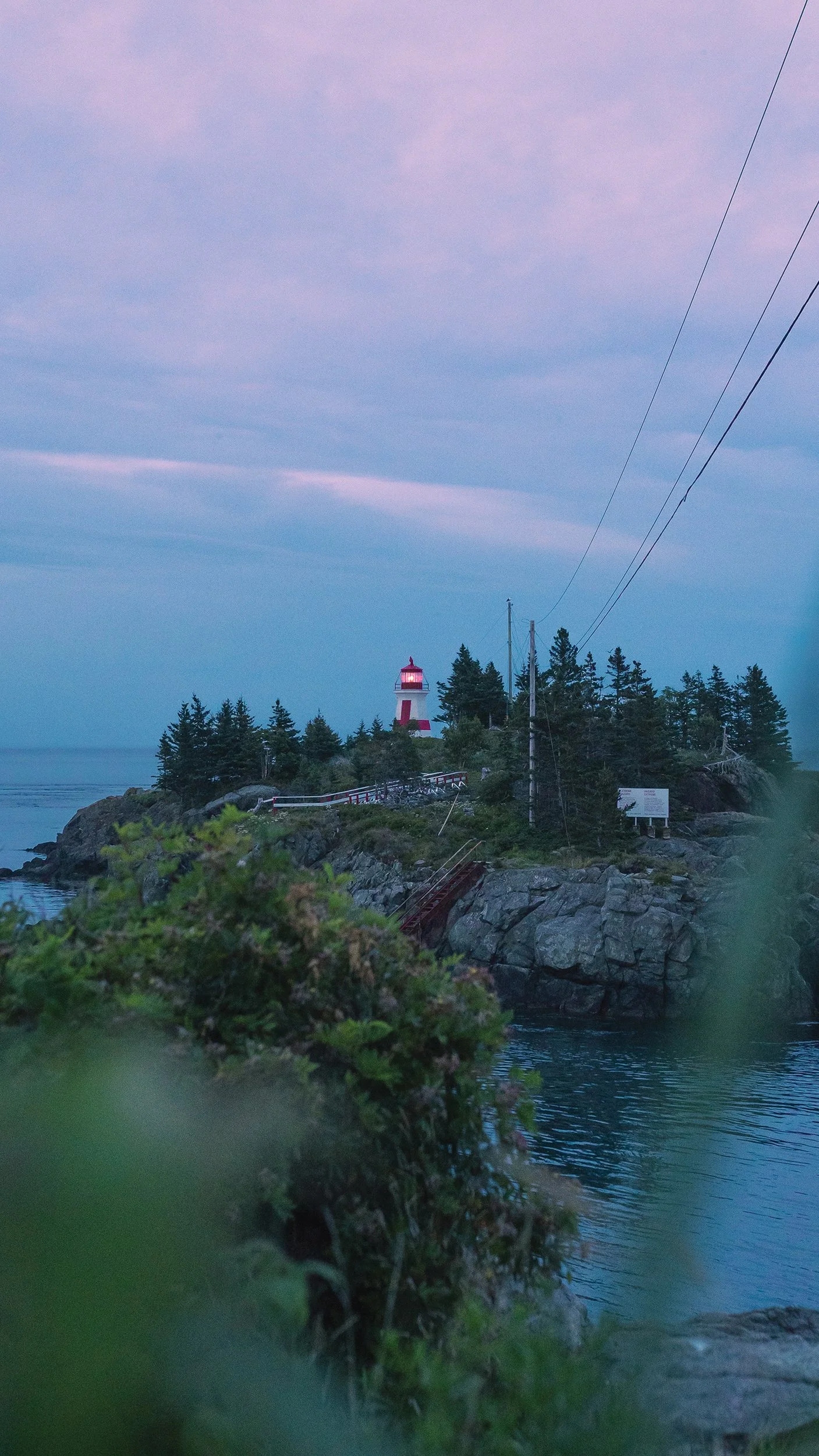
Here’s some more Maine trivia: the only park jointly operated, administered, and funded by two nations sits just across the bridge from Lubec on New Brunswick’s Campobello Island. This peculiarity has presidential roots. Franklin Delano Roosevelt grew up visiting the island in the summer, and visitors flock from around the world to his house at Roosevelt Campobello International Park every year.
“We’re the only true international park in the world,” says Roger Quirk, a tour guide and Lubec native. He estimates that, historically, most visitors come from the United States, but over the last several years, Canadians are visiting in greater numbers.
“Canadians don't typically take very much American history, which is totally understandable—how much would we Americans know about past prime ministers from Canada?” Quirk says. “They come in quite surprised about the whole thing. A lot of visitors—Americans especially—will say, ‘My grandfather or my great-grandparents just loved FDR and Eleanor Roosevelt,’ and they want to learn more. It adds to the history that they already know.”
Campobello Island was a popular Gilded Age getaway for its cooler climate. Quirk shares the island and home’s rich history during his tours, and visitors have surprised him in turn.
“You never know who you're going to meet,” he says. “One day Martha Stewart walked in.”
His decades at the house have introduced him to a slew of famous visitors, including the Roosevelts’ children and descendants during a family reunion.
Quirk began working at the Roosevelt Campobello International Park the day after he graduated high school, on June 12, 1974. He began as a seasonal worker while he was studying at the University of Maine and has worn numerous hats during his 52-year tenure at the house, from security to managing the conference center and now giving tours. After September 11, border crossings became less fluid, but the exchange between Campobello Island and Lubec remains constant. Campobello’s grocery store is smaller, so folks cross over to shop. In the full speed of the tourism season, Quirk crosses back and forth almost every day. Sure, the border is felt, but, like oxygen, it’s a fixture of daily life.
Although Quirk has seen how Lubec’s population has contracted since his childhood, changes he attributes to folks moving away and the rising cost of living, he finds a particular joy to life lived across the bridge. For Lubec and Campobello locals, love knows no bounds.
“There are a lot of cross-border relationships and marriages between Americans and Canadians,” he says. “A lot of Canadians have American rights. They were born in Lubec and can work over here. It's a very intermingled, very close and friendly relationship.”
A Foraged Palate along the Seacoast
For three-time Chopped champion and James Beard semifinalist Evan Hennessey, there’s nowhere he’d rather live and work than at the confluence of Southern Maine and New Hampshire’s Seacoast. His home in South Berwick provides him with access to the mountains and forests that he loves to run and hike. Then, after a 17-minute drive, he can reach his restaurant, Stages at One Washington, in Dover, New Hampshire. The region’s density and varied terrain are major benefits to running his intimate, six-seat chef’s counter restaurant.
“A lot of things in proximity equals ingredients, and it also equals people,” Hennessey says. “When you can put all those things together, that's what creates flavor.”
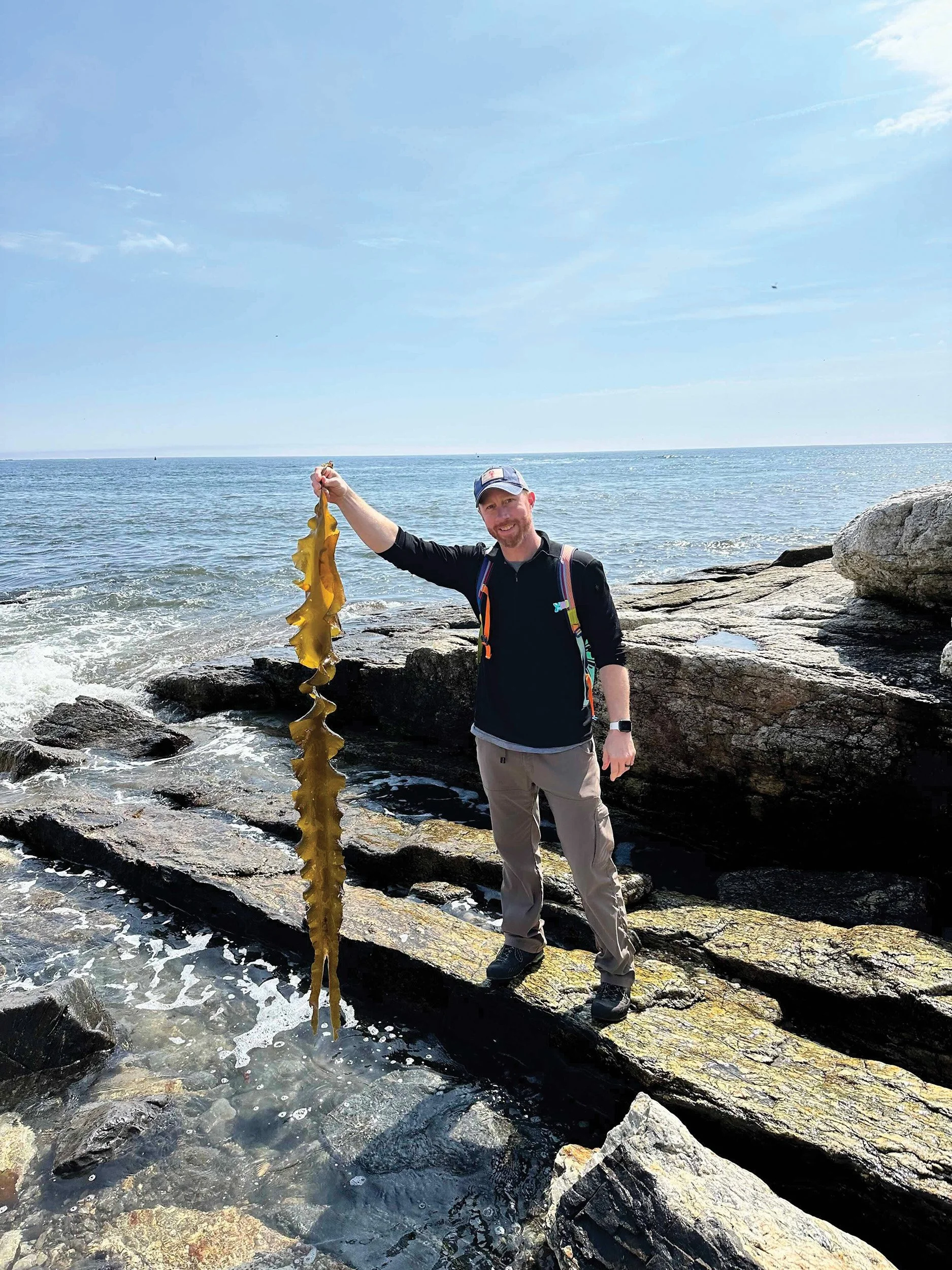
For Hennessey, this means mornings foraging Irish moss in the Atlantic or mushrooms and lichens inland.
“In the Seacoast, we’re within two hours from the biggest mountain in New Hampshire,” he adds. “For us, that hybridization of land and water is relevant in our cooking. We tend to source wild herbs and berries. We're able to get mushrooms, lichens, and moss that are usually found at slightly higher elevations. The blueberries that you harvest up on a mountain, I think, taste different from the ones that you would harvest on the side of a bog.”
Beyond the terroir, though, Hennessey specifically dreamed of opening a restaurant in his hometown.
“I appreciate that small town friendliness as our world seems to be getting colder in multiple ways,” he says. “I think that's really important, and the Seacoast and Maine really do a great job of holding onto that.”
