

“People Will Never Forget How You Made Them Feel”
adulting
How a second responder thinks about grief
words & photo by stephen lippman
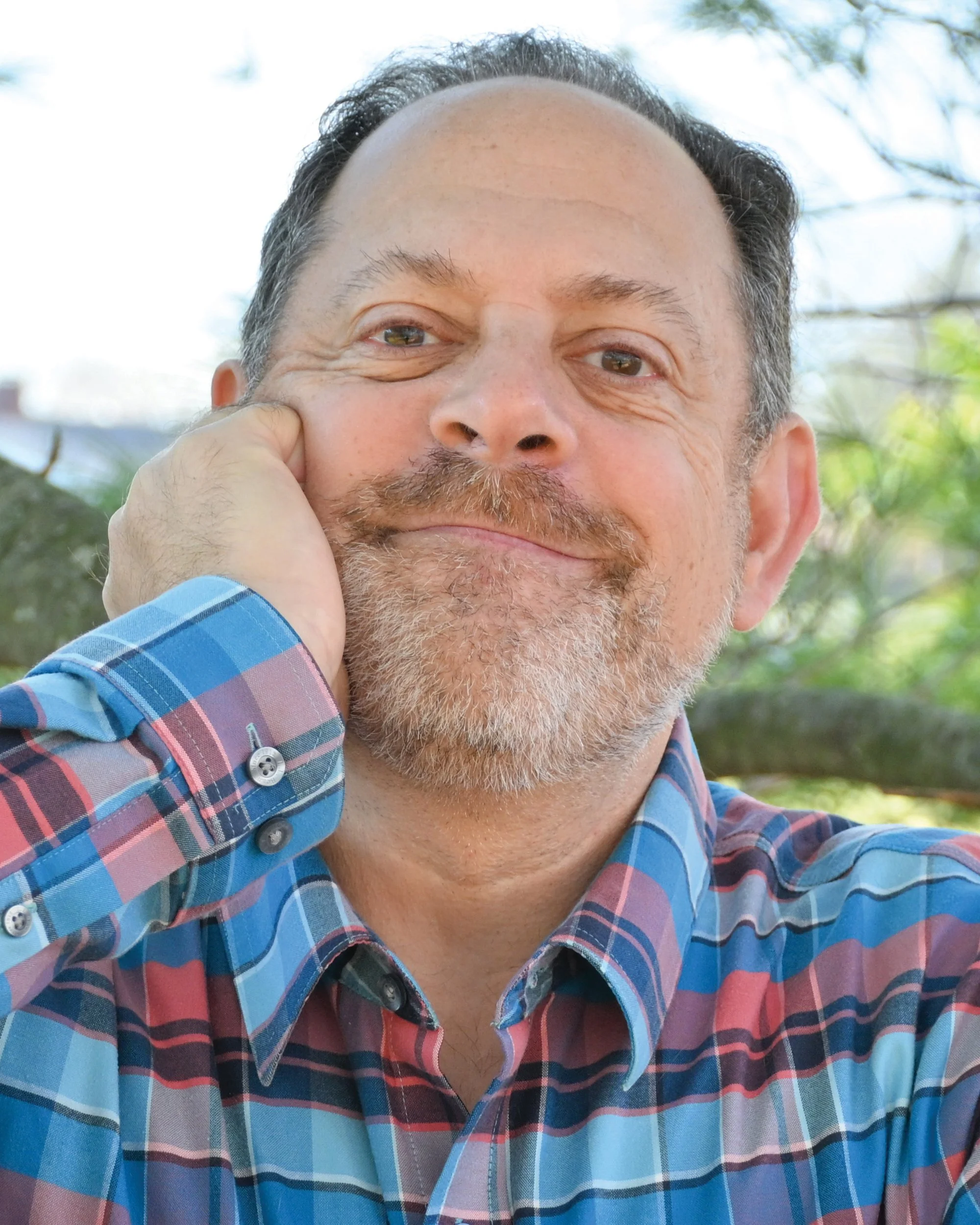
I am one of 28 volunteers with the Trauma Intervention Program (TIP) of Greater Portland who works with traumatized and grieving survivors. My experience has taught me that everyone grieves differently.
First responders—police officers, firefighters, paramedics, and nurses—request our presence via the 9-1-1 system. If I am on duty and a call comes in for assistance, my dispatcher texts me the address for MaineMed, a house, an apartment building, a park, marina, office, roadside location, or other crisis locale. I enter the address into a road-mapping app, hop into my “Bluebaru” (blue Subaru), and follow the driving directions. Depending upon traffic and distance, I arrive between 5 and 30 minutes later. I never have a complete picture of what awaits me, so I clear my head and listen to music.
After parking near the other emergency vehicles, I suit up—inserting my arms into backpack straps and tugging my fanny pack straps securely around my waist. My gear includes tissues and water, a printed resource guide, blankets, and coloring books for kids. I deliberately dress down to blend in.
TIP volunteers are not government employees, nor are we medical professionals. Rather, we are specially trained, certified, and screened community members who provide emotional and practical support to survivors and their families in the first few hours following a tragedy. You might even call us “second responders.” When I arrive at a crisis scene, I approach the nearest first responder and introduce myself. I’m then escorted to one or more traumatized survivors. It’s both an honor and a responsibility to care for these strangers. Most survivors I encounter have lost a loved one. They may be in shock, feel emotionally numb, curse at their deceased loved one, regret lost opportunities, repeat themselves, or apologize for the appearance of their homes. I never judge them.
“I channel energy into making survivors feel heard. As I listen, I echo their words and acknowledge their pain and the loss that they feel.”
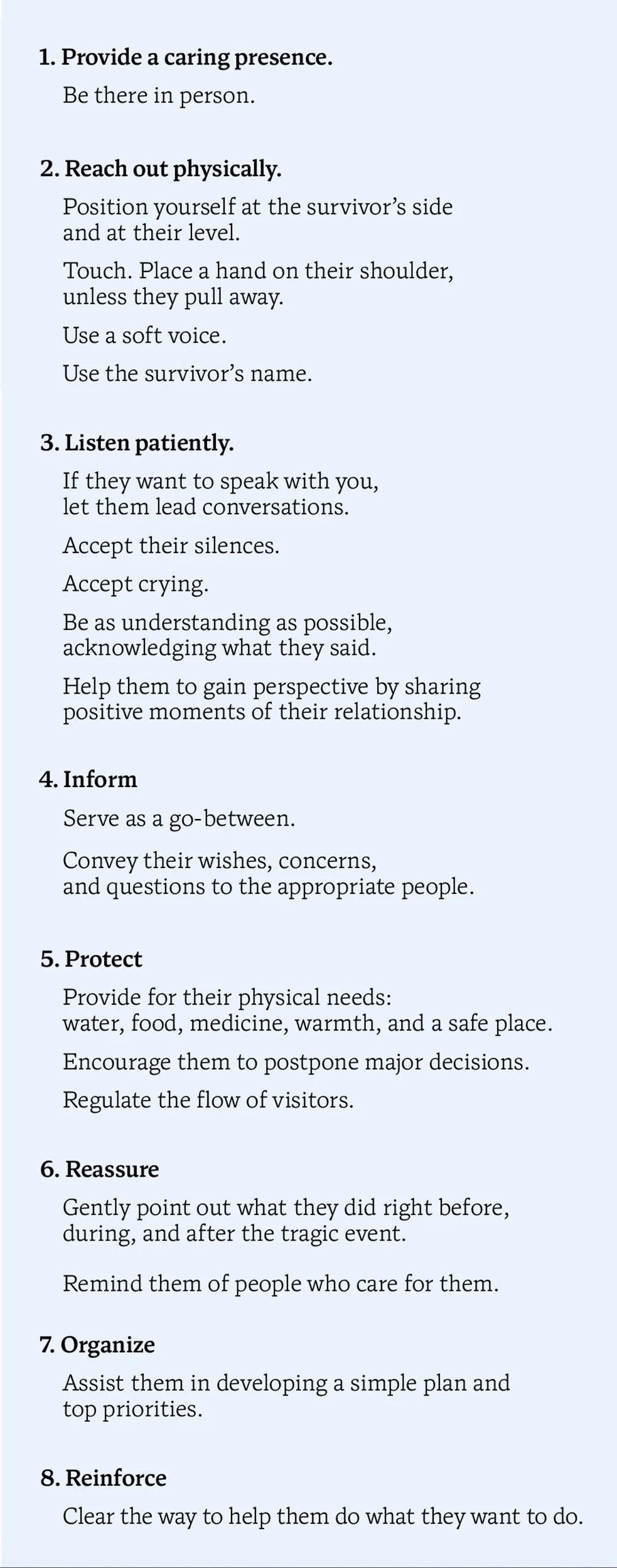
Above are some ways to help emotionally injured people navigate the first few hours after a tragic event.
When I reach out to survivors and gently introduce myself, I know that my name may quickly dissipate for them. After all, their shock, grief, sadness, and memories may be debilitating. During this initial stage, I remember one of Maya Angelou’s famous quotes: “… people will forget what you said, people will forget what you did, but people will never forget how you made them feel.” I channel energy into making survivors feel heard. As I listen, I echo their words and acknowledge their pain and the loss that they feel.
I know that I cannot take away their grief, and I know that I’m not a professional therapist. Still, the 55 hours of mandatory training and roleplaying exercises—where we learn from first responders, veteran TIP volunteers, survivors, and certified trainers—instill confidence to be present and useful at these scenes. I approach each and every survivor with respect, compassion, and empathy and maintain confidentiality.
I notice their gestures, body language, and tones of voice. What do those signals mean? Does wandering away from me signal a wish to be left alone? Am I misreading the signals? The truth may be habitual politeness in response to their phone buzzing in their pocket. Perhaps they’re not “retreating.” They may just be antsy and tired of sitting. Maybe they haven’t eaten in hours. As I kneel or sit beside a survivor, is it appropriate to place a hand on their shoulder? Are they more standoffish? I tread carefully. At an appropriate moment, I offer tissues and water. Survivors may politely refuse. Young children might not understand why their family is upset, but they intuitively welcome my attention. My efforts might even ease survivors’ minds.
At many such crises, I find myself in awe of others. I detect empathy, concern, and dedication written all over nurses’ faces. Doctors explain situations to survivors respectfully and patiently. Funeral home staff voice sincere sorrow. Neighbors display exceptional kindness and generosity. Family members make tender gestures, demonstrating their desire to soothe others’ pain. Police officers exhibit courtesy, compassion, and professionalism. Firefighters work strenuously to rescue valuable belongings. As these thoughts occur to me, I try to refocus on my role: protecting survivors, informing them, keeping them organized, and reinforcing their sources of strength. Still, I cannot help feeling privileged to see the best of humanity.
Visit tipgreaterportland.org to learn more about the Trauma Intervention Program (TIP) of Greater Portland.
