
Ritual & Remedy
How Maine became the maker of America’s finest baseball bats
Words by Connor Clement
Photos courtesy of Maine Billets & Dove Tail Bats
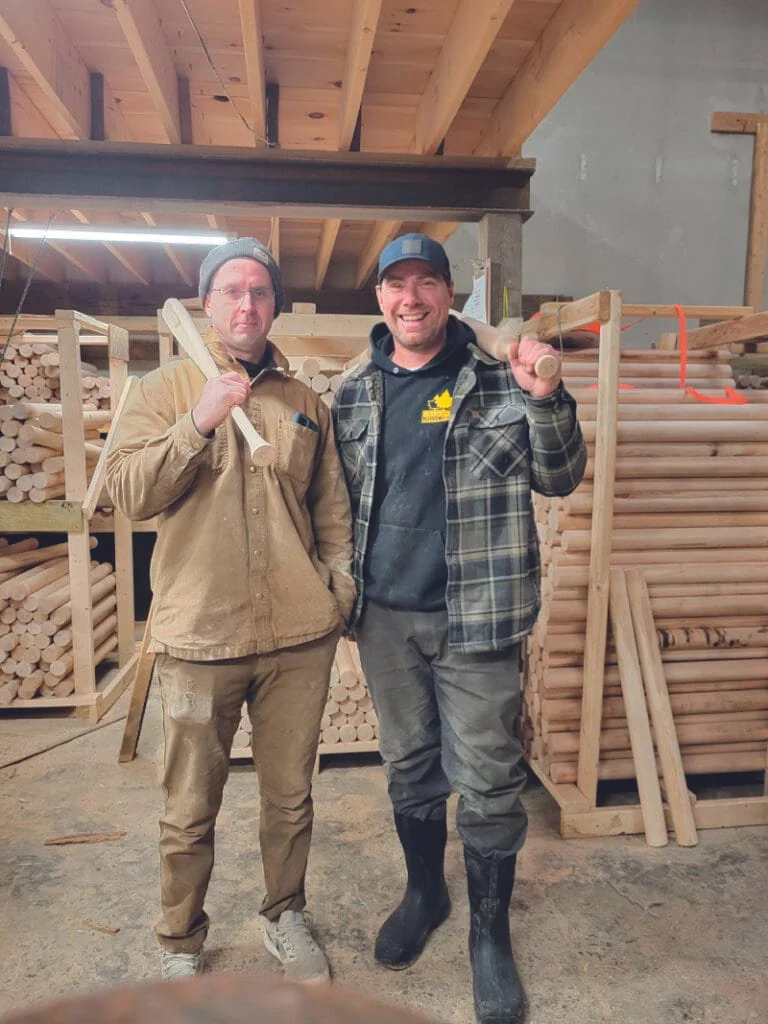
Maine Billets Founders Brian Luce and Jesse LaCasse
The sound is unmistakable.
A sharp crack cuts across a baseball field as a wooden bat meets a fastball. For a few seconds, the attention is on the player, the ball, and where it lands.
But the story of that swing began much earlier— long before the batter stepped into the box.
It began in the woods.
Somewhere along the way, a tree was selected, cut, dried and shaped by someone who understood the character of the wood. In Maine, a small group of craftsmen have built businesses around that process, transforming hardwood into baseball bats that eventually find their way into the hands of players across the country.
Baseball bats might not be the first product people associate with Maine, but the connection makes sense. In a state where forests, woodworking, and craftsmanship have been part of everyday life for generations, turning a piece of wood into a sporting tool is a natural extension of that tradition.
Today, companies like Dove Tail Bats in Shirley Mills, LaCasse Bats in Skowhegan, and Anson’s Maine Billets operation are part of Maine’s growing presence in the baseball bat industry.
“The wood is definitely harder in Maine,” says Jesse LaCasse, who owns and operates LaCasse Bats and Maine Billets. Each company plays a different role, but all begin with the same thing: wood.
Before it becomes a bat, a piece of hardwood has to be carefully selected and prepared. For generations, ash was the traditional wood used in baseball bats. In more recent decades, maple and birch have become common choices for manufacturers.
Maine’s forests contain many of the hardwood species used in bat production, including maple, birch, and ash.
According to the Maine Forest Service, about 89% of the state is forested, supporting a long history of forest-based industries.That connection between the forest and finished products is familiar in Maine. The same resources that have supported industries like furniture, building materials and woodworking are also being transformed into something much more specific: baseball bats.
For bat makers, the process starts with understanding the material. Every piece of wood has its own characteristics, and selecting the right piece is the first step before a bat ever reaches a lathe.
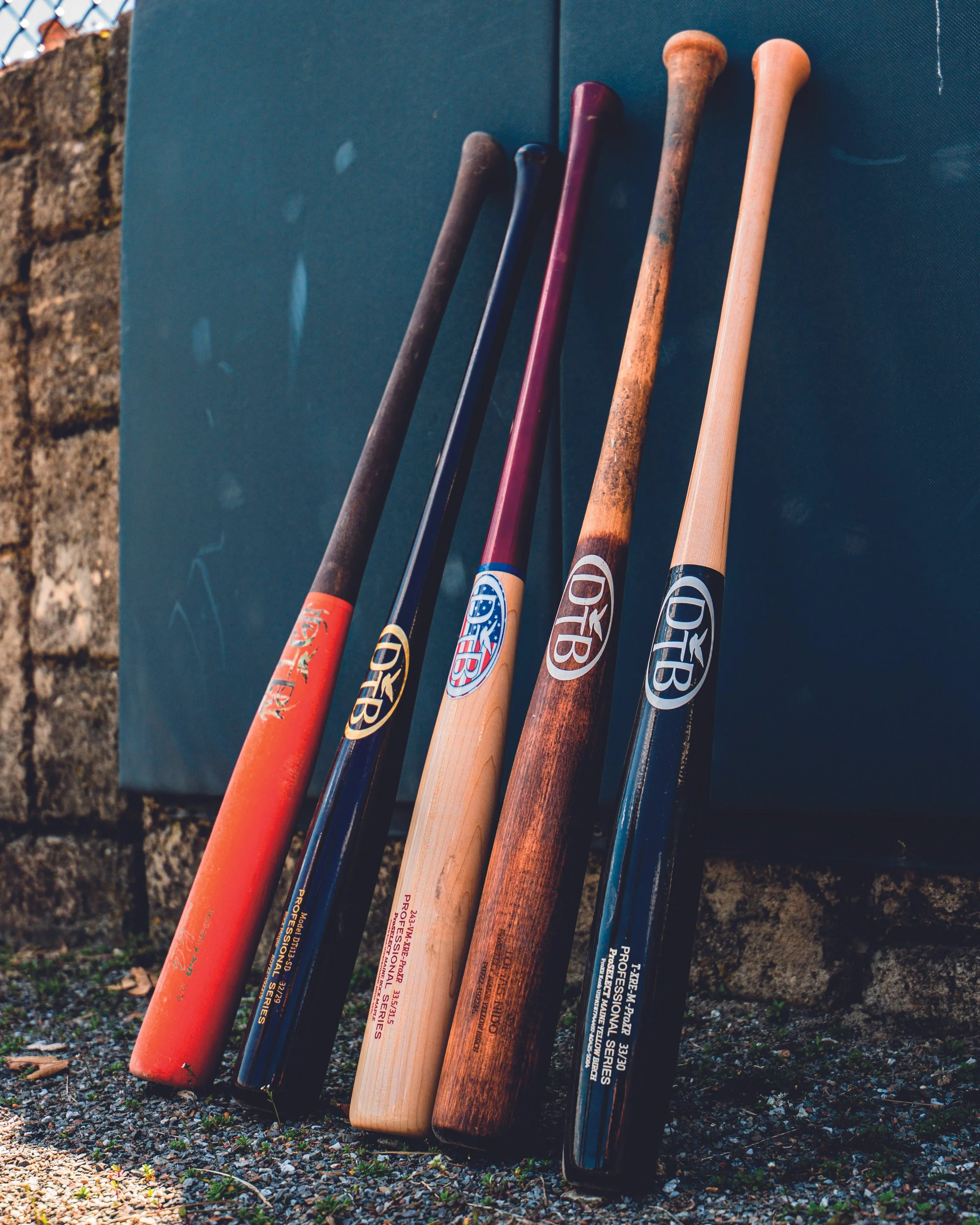
Dove Tail Bats: A Maine Bat on Baseball’s Biggest Stage
In Shirley Mills, the sound of traditional woodworking has been replaced in part by the sound of baseball bats being made.
Dove Tail Bats began with a background in woodworking. Founder Paul Lancisi spent more than four decades in the wood industry through Dovetail Cabinetry and Designed Living before making his first baseball bat.
The idea started with family.
After Lancisi’s son, who played baseball in high school and college, became frustrated with the bats available to him, Lancisi began experimenting with making his own. That first bat in 2005 eventually became the beginning of Dove Tail Bats. Over time, the company grew from a small operation into a manufacturer whose bats have been used by professional players.
Dove Tail says its bats were used by the Kansas City Royals during their 2015 World Series championship season. The company also notes that New York Mets player Pete Alonso used a Dove Tail bat during his 2019 rookie season when he hit 53 home runs.
The company continues to manufacture bats using hardwoods including maple, birch, and ash. But behind every bat is still the same basic idea that started the company: taking a piece of wood and understanding what it can become.
LaCasse Bats and Maine Billets: From Billet to Bat
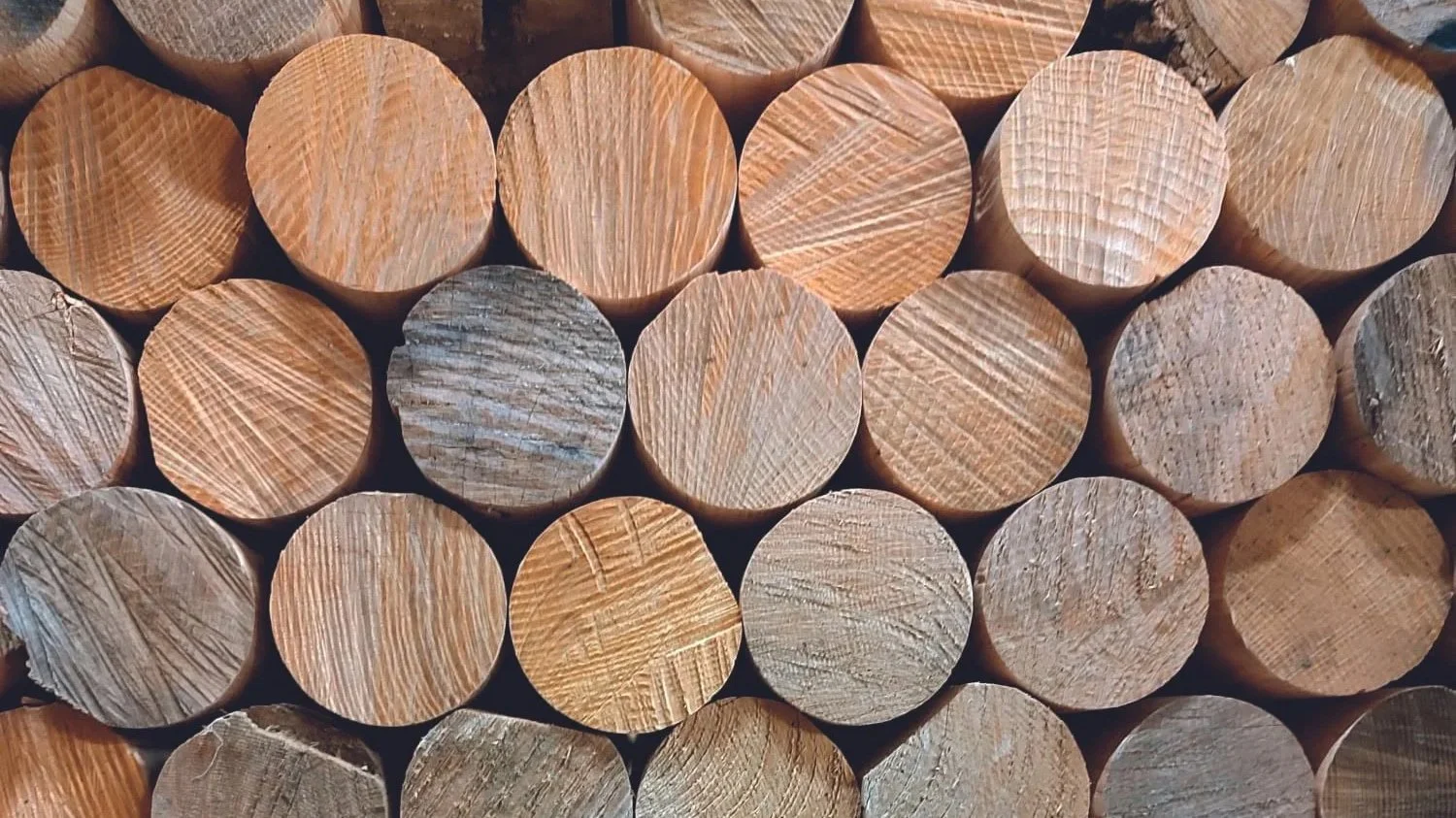
In central Maine, LaCasse Bats and Maine Billets represent different parts of the same business. LaCasse Bats was founded by Jesse LaCasse in 2006 and produces custom wood baseball bats. In 2014, LaCasse and business partner, Brian Luce, founded Maine Billets, a company focused on producing billets (nascent bats, turned but unfinished), finished bats, and equipment used in bat manufacturing. Together, the businesses work with hardwoods including maple, birch, and ash and serve both players and bat manufacturers.
“When you walk into the shop, all you can smell is wood. My oldest son turns all our bats. We have somewhere around 15,000 to 20,000 dowels on hand,” says LaCasse.
LaCasse Bats operates out of Skowhegan as part of LaCasse Sports, which also includes batting cages, golf simulators, and training opportunities for athletes. The facility combines bat manufacturing with a space for players to practice and develop their skills.
Maine Billets provides billets and manufacturing resources used throughout the baseball bat industry. According to the company, the business was created to support bat makers and others interested in producing wood bats.
“It’s always rewarding seeing and hearing from a player when they get a hit and they come over and say, ‘I love the bat. It just feels great,’” LaCasse says.
The roots of the operation trace back to 2004, when Jesse LaCasse began making bats while playing baseball in Germany. What started as an interest in bat making later expanded into a business that includes both finished bats and manufacturing support for the industry.
While players may only see the finished product, businesses like LaCasse Bats and Maine Billets are involved in multiple stages of the process that turns hardwood into a baseball bat. A baseball bat may only spend a few seconds in the spotlight, but the process behind it can take years of experience. From the forests where the wood grows, to the workshops where it is shaped, to the fields where it is eventually used, Maine’s bat makers are part of a larger story about craftsmanship and connection to place.
In a state known for making things by hand, baseball bats fit right in. Because every swing starts somewhere. For these Maine companies, it starts with a tree.