

Accidental Innkeeper
S’mores, singalongs, and a few grown-up luxuries transform a classic Maine getaway into an unforgettable camp experience
Words and Photos by Brady & Jessica Brim-Deforest

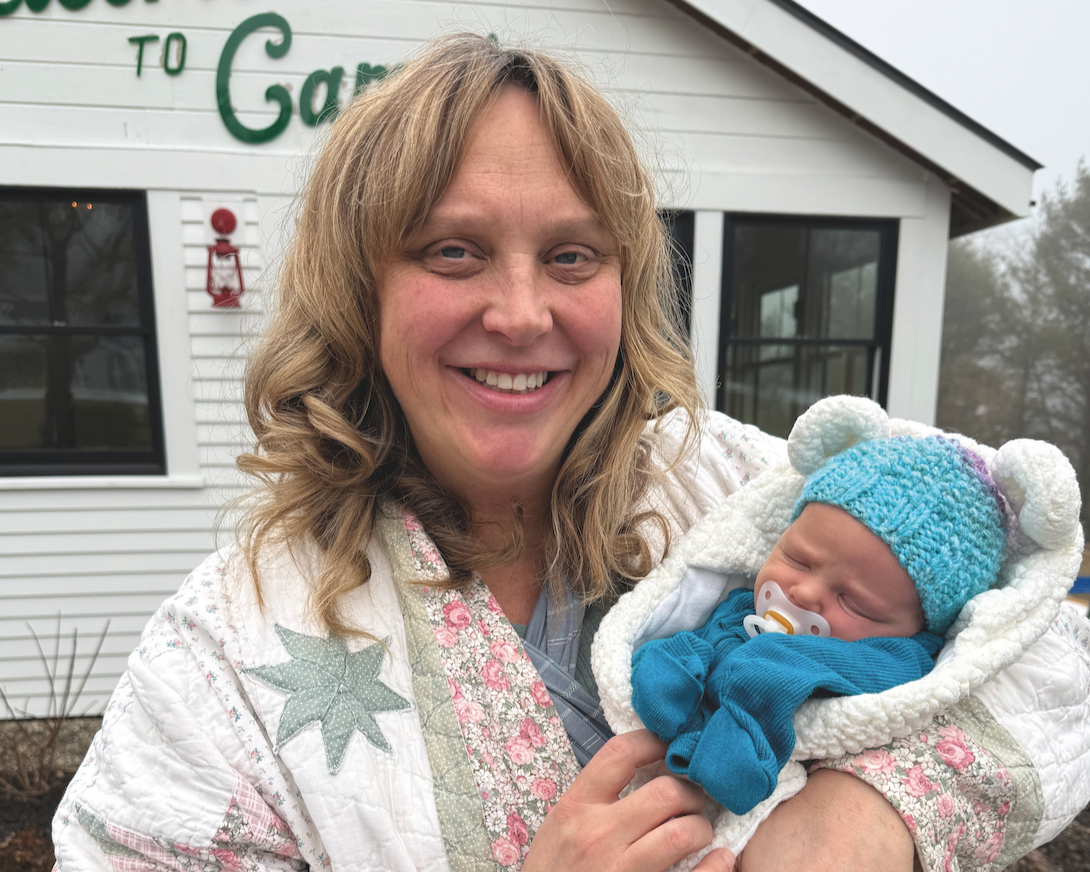
Accidental innkeepers Brady & Jessica Brim-DeForest admit binge-watching Schitt's Creek may have inspired their Camp DeForest journey.
There are sensible ways to deal with a pandemic. Instead, my wife, Jessica, and I chose to buy a faded 1950s motor lodge on Route 1 in Lincolnville. In our defense, we had recently decamped for the summers from California to Maine and were completely under the spell of the Midcoast. We arrived in 2020, settled in Northport, and quickly fell for this little slice of heaven: the salt air mixed with the scent of pine, the working harbors, the Yankee ingenuity of our neighbors. We were so inspired that we decided we wanted to create a place where we could host our multitude of friends who, we soon discovered, had always wanted to visit Maine. As Jessica has admitted publicly, we also may have watched too much Schitt’s Creek and Hotel Makeover.
The property that found us seemed like an achievable project for first-time hoteliers. It also had the right pedigree—with 10 lodge rooms and four cabins, the compact footprint of a classic roadside property, and decades of accumulated character (and deferred maintenance), it checked all the boxes. We imagined a quick redecoration: paint, furniture, a little shine and polish, and then we would be welcoming guests.
The universe heard “quick redecoration” and laughed.
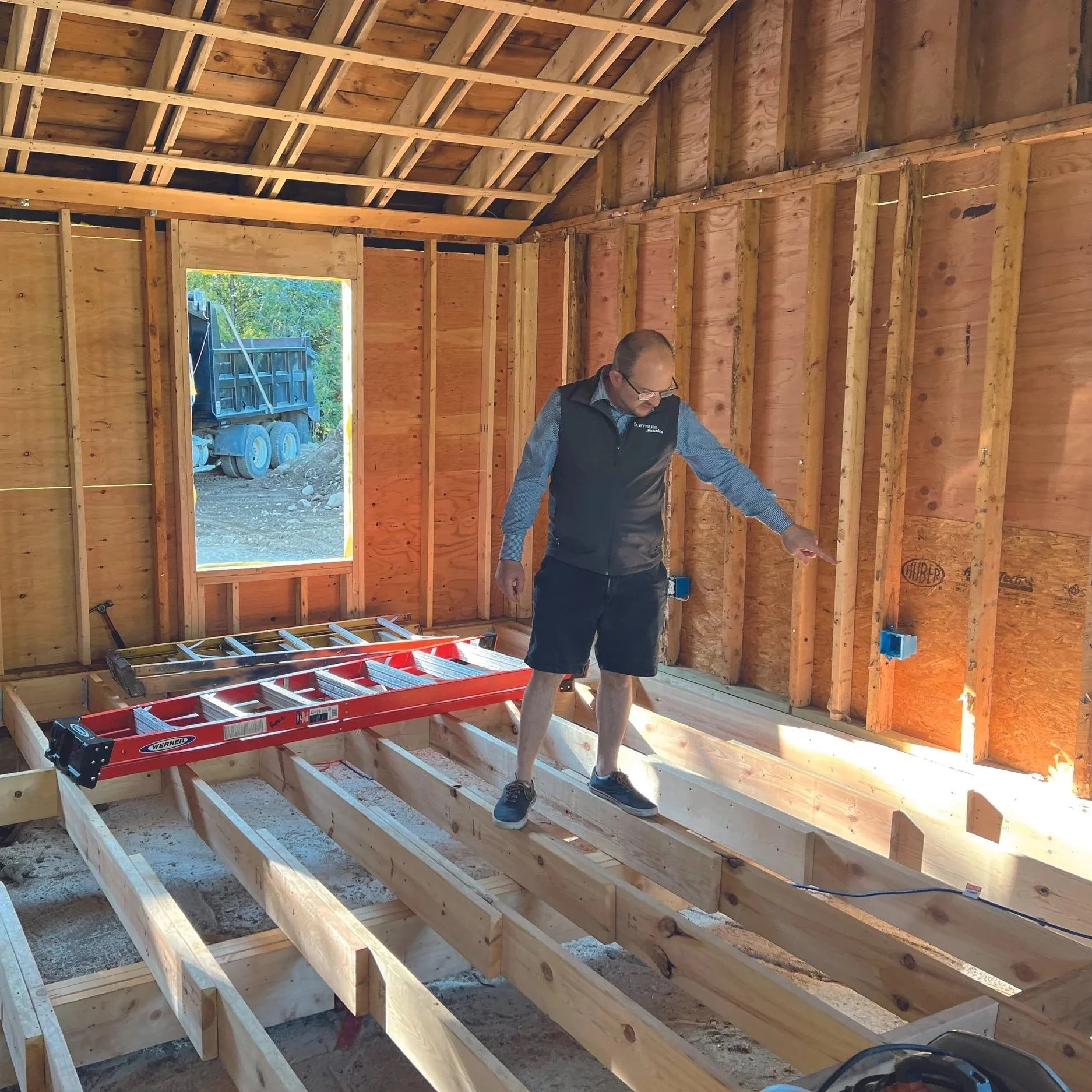
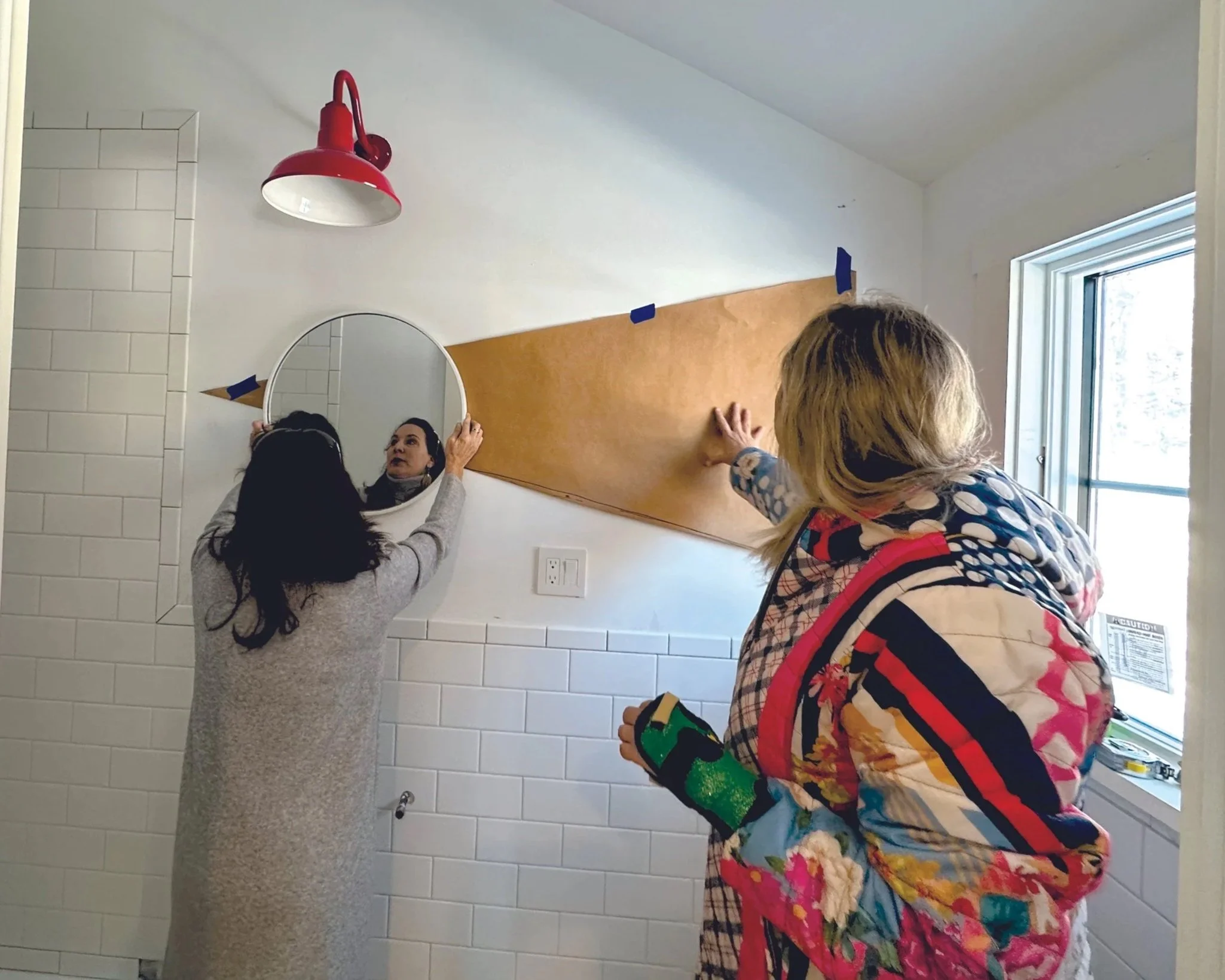
What followed was a three-year renovation that took the property far beyond a cosmetic refresh. We rebuilt and refurbished all 14 rooms and cabins, plus the lodge, adding the modern systems and luxury conveniences required for a true four-season, five-star retreat. The longer the process took, the clearer the idea became. We were no longer simply fixing something up. We were figuring out what this place wanted to be.
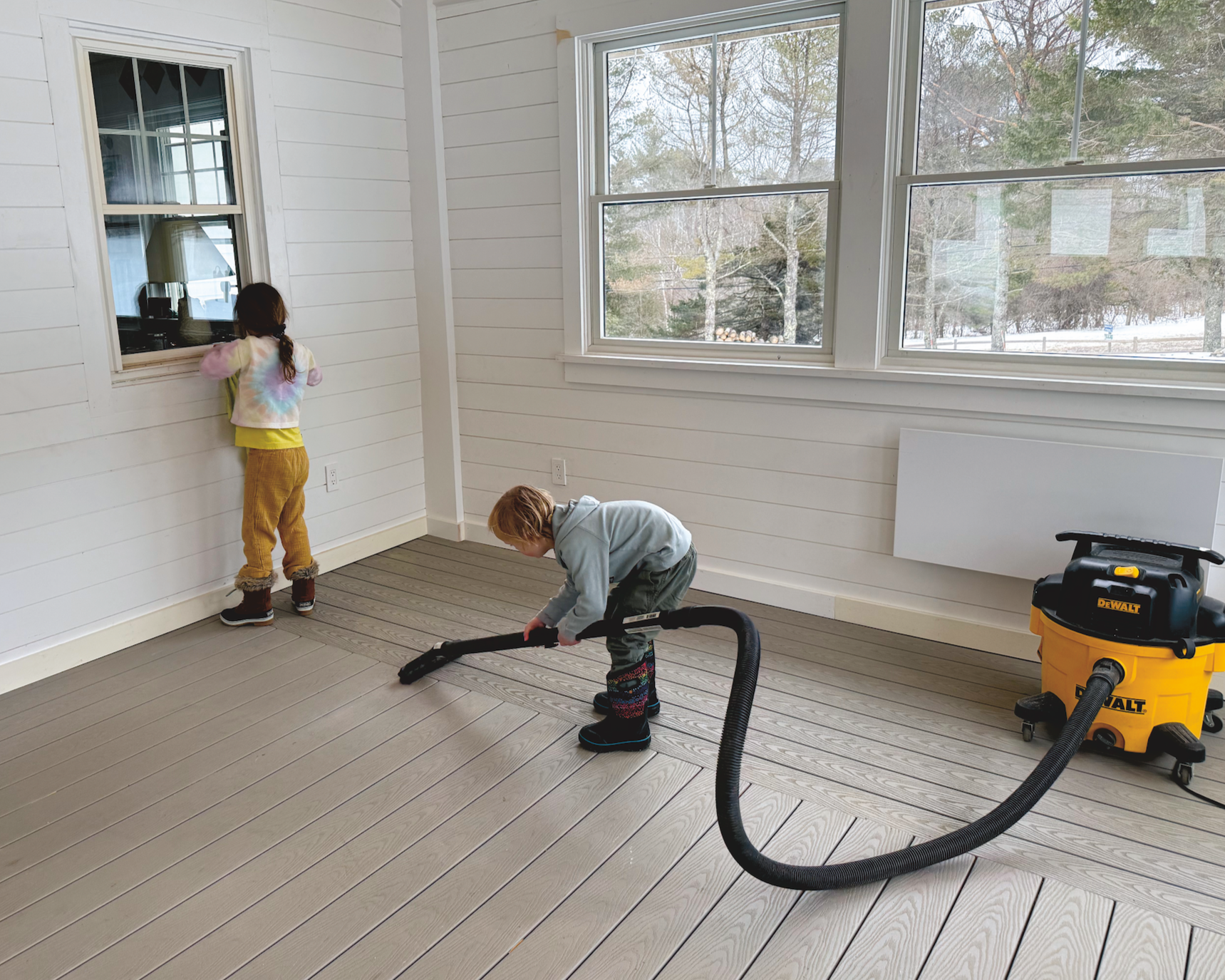
Somewhere in the middle of all that, life did what life does: it kept expanding. During the reconstruction, Jessica and I welcomed two more children into the family, bringing our crew to four little ones. So, while we were choosing tile, tracking down camp pennants, and coaxing old buildings into the 21st century, we were also rocking babies, navigating sleepless nights, and discovering that our own household had become its own kind of year-round camp.
We knew that Midcoast already has many beautiful places to stay, and much of its hospitality understandably leans into the familiar Maine story: ocean views, romantic weekends, traditional inns, and bed-and-breakfast charm. We loved all of that, but we wanted to create a different kind of experience—one built around narrative, play, and surprise.
Jessica and I have spent much of our professional lives building brands, hospitality concepts, and experiences. We think in stories. A room can be handsome and comfortable yet still feel anonymous; we wanted every part of the experience we were building to make guests feel that they had crossed into a world with its own magic, rituals, and sense of humor.
The answer was hiding in plain sight. We both grew up on the West Coast with memories of time spent in the woods and on the lakes—the freedom of being outdoors, the friendships formed around the campfire, the feeling that ordinary life had been temporarily suspended when you turned off the highway and drove down a deeply rutted dirt road. We also knew that, as adults, we had developed a strong appreciation for hot showers, king-size beds, excellent coffee, and being well cared for.
That tension became the idea: What if summer camp grew up without becoming boring?
Our surname supplied the name. DeForest—“of the forest”— connected the project to our family, to Maine’s French heritage, and to the landscape around us. Once we called it Camp DeForest, decisions that had felt abstract suddenly became obvious. The hotel did not need a theme pasted onto it; it needed a complete identity.
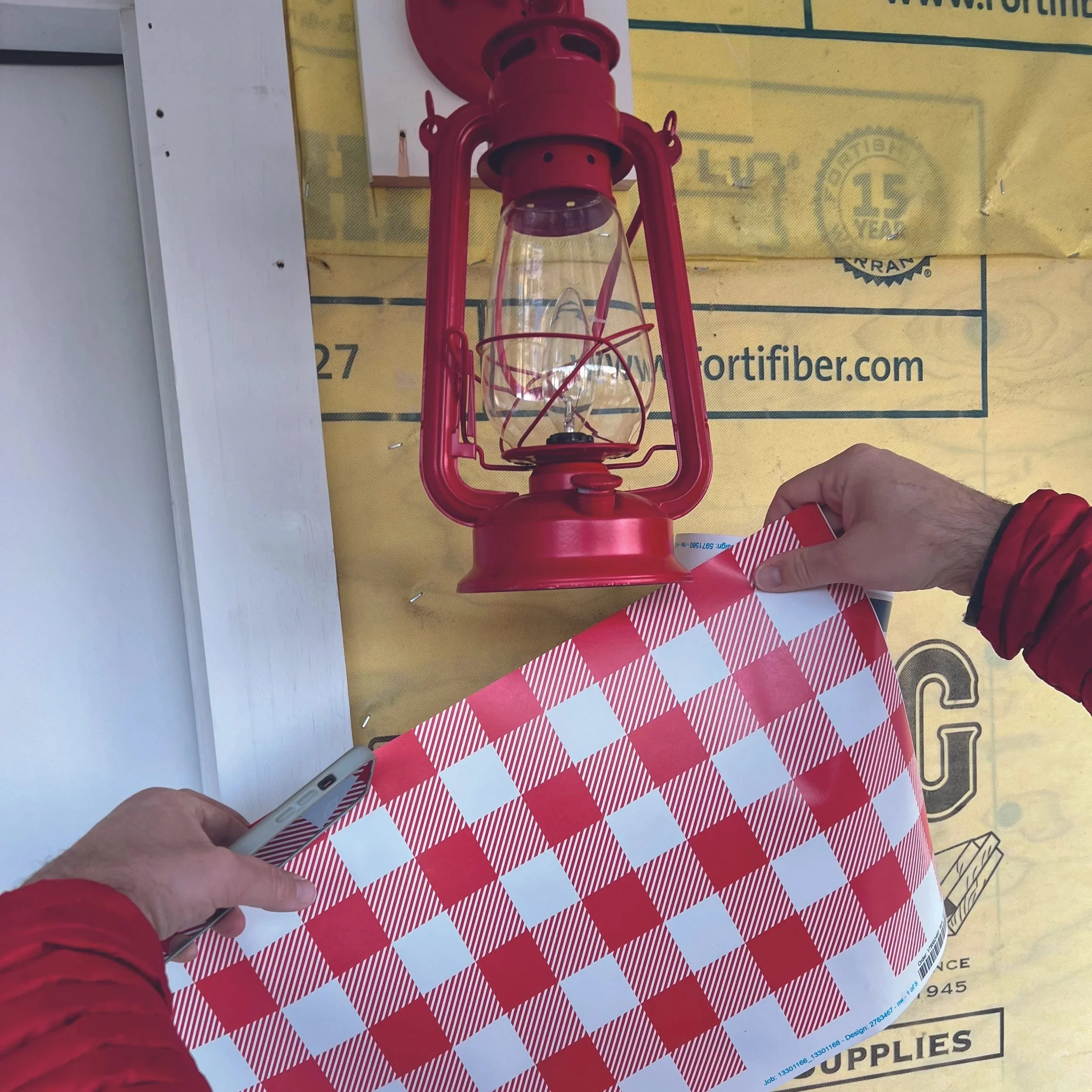
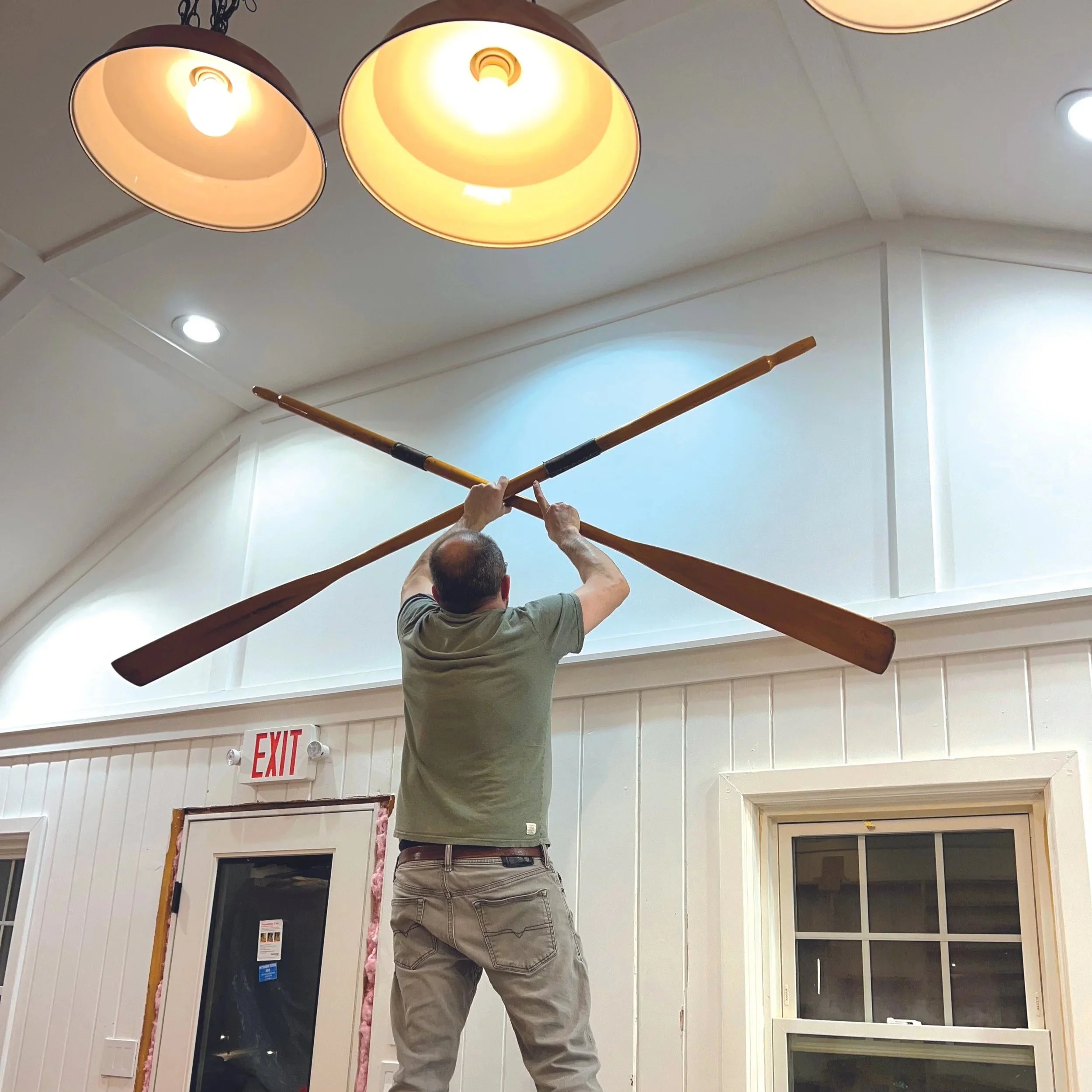
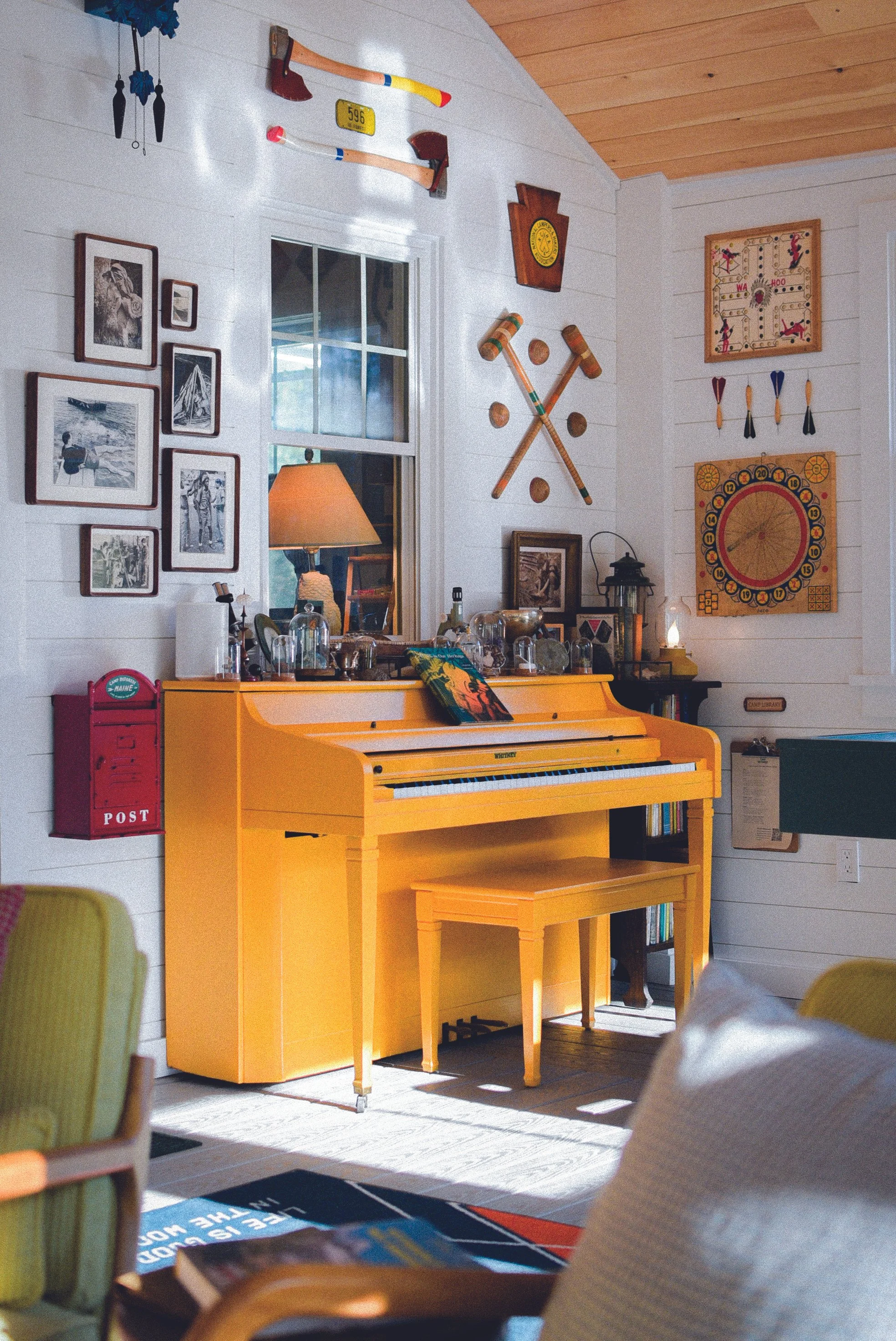
We began collecting old camp pennants, Scout hats, needlepoint pillows, vintage books, games, flags, and furniture found all around the Midcoast and across Maine. We mixed those pieces with comfortable beds, rainfall showers, and the other luxuries that make a trip genuinely restorative. The goal was never nostalgia for nostalgia’s sake. We wanted the place to feel as though it had always existed—like a family camp discovered in an old photo album—while working beautifully for the way people travel now.
We also learned that camp is not merely a decorating style. Camp is something you do. So we created private campfires with s’mores, lawn games, flag raising, singalongs, and a Book of Merits filled with challenges guests can complete to earn stamps and badges, while encouraging them to get out and explore. We gave the place an anthem, colors, traditions, and even a marshmallow mascot named Marshall. Each detail is playful, but the play has a purpose: it gives people permission to participate.
When we finally opened in 2025, the most gratifying surprise was not that guests noticed the design. It was how readily they entered the story. Children embraced the merit badges. Adults did, too. Couples lingered by the campfires. Families played cards. People who had arrived with full calendars and busy minds began to slow down.
I have come to think of that feeling as “analog luxury.” It is not the absence of comfort; it is the presence of things that modern life tends to crowd out. Guests often tell us that Camp DeForest allows them to exhale. That matters more to us than any object we sourced or room we designed.
We also wanted Camp to belong to this community in every season. The old motor lodge had operated seasonally, but we rebuilt it for the entire Maine year. Campfires in July are wonderful; so are snowy weekends, warm drinks, and locals gathering in the lodge when winter settles over the coast. Becoming innkeepers has made us see Maine as a living place that needs hospitality businesses to participate in its year-round life. So we did something crazy and opened a restaurant onsite that is open seven days a week (rather unheard of in Maine).
We still do not feel like traditional innkeepers. Our days now contain more conversations about firewood, linens, breakfast, weather, and heating systems than any earlier version of us could have predicted. But perhaps this was not such a departure after all. Everything we have loved building has involved creating a world and inviting people into it. This one happens to have 14 doors, a flagpole, and the lingering scent of pine smoke.
Camp DeForest came to be not because we had a perfect plan, but because it kept asking more of us. We listened. A quick redecoration became a three-year labor of love; a motor lodge became a camp; strangers became campers; and somewhere along the way, our family of four became a family of six. With four little ones underfoot, we returned, almost by accident, to our roots.
Experience Camp DeForest all year round. Scan the QR code or visit campdeforest.com to learn more.