

Features
From Morocco to Maine, an unexpected path led to a deeper understanding of community, belonging, and the people who define a place
Words by Khadija El Barkaoui
Photos by Laurie Churchill & Khadija El Barkaoui
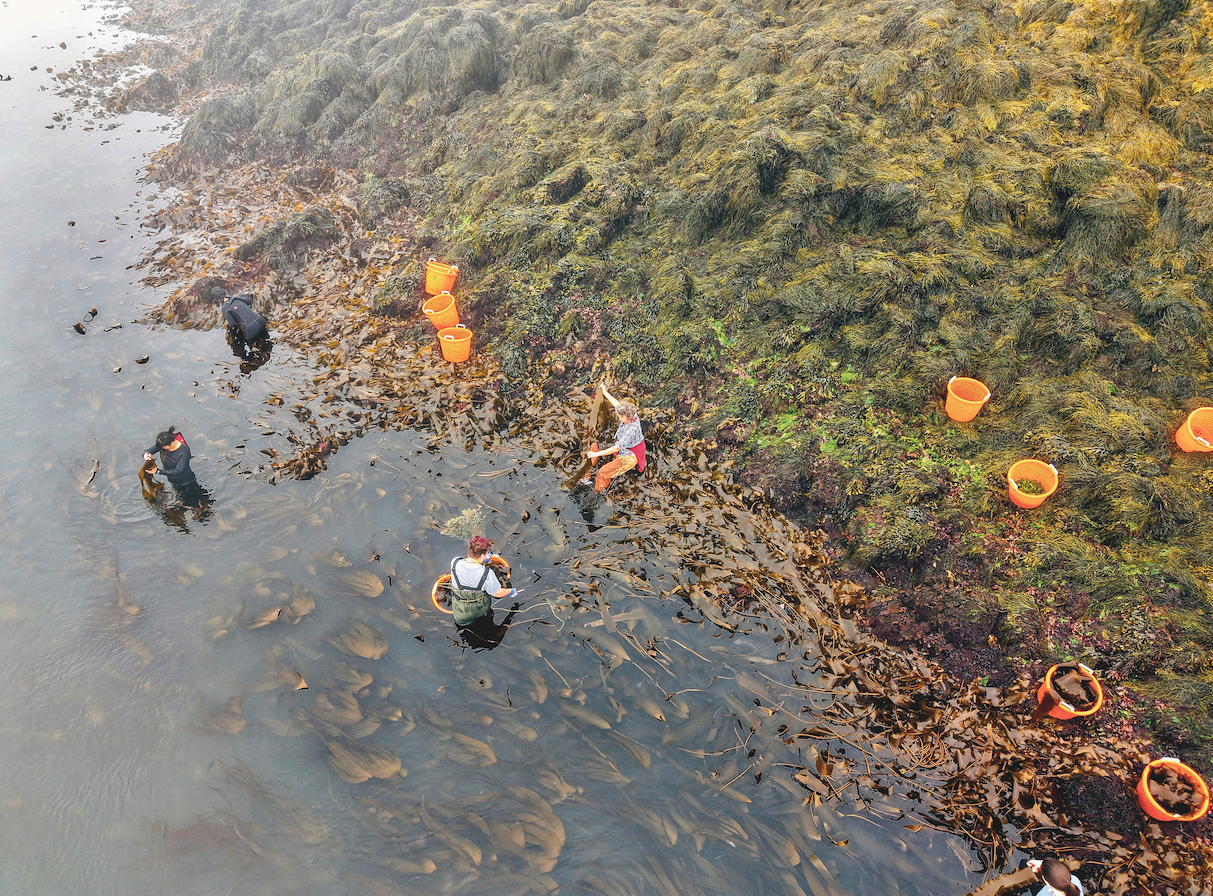
People often ask me why I chose Maine. The truth is, at first, I didn’t choose Maine. I followed love here. But over time, that love grew into something much bigger. I chose Maine by building a life here, creating meaningful work, and becoming part of a community that has shaped me as much as I have helped shape it.
When I think about Maine now, I not only picture only the rocky coastline, forests, or changing seasons. I picture the people. I think about the families who welcomed me into their homes and around their kitchen tables—and who now open those same doors to welcome my guests. I think about artists sharing their creativity, farmers passing down generations of knowledge, elders preserving traditions, and neighbors showing up for one another in ways both large and small.
This is the Maine I know.
This is my Vacationland—not just a place to visit, but a place to connect, learn, and belong.
THE WORLD CAME TO ME
My story began in Zagora, a desert oasis in southern Morocco. My family is Indigenous Amazigh, a people whose name means “free people,” with deep roots in the land and a history molded by resilience, movement, and a connection to place.
I grew up surrounded by languages. At home, we spoke Amazigh, and outside, Arabic. School introduced me to more languages, and English became my fifth. Carrying those languages shaped how I see the world—as a place connected through stories and cultures.
My mother, Touda, never had the chance to attend school, but she was determined her children—especially her six daughters—would receive the education she had been denied. While raising us, she taught herself to read and write. She was also an artist who taught us to create with our hands and value craftsmanship.
My father, Said, a guide, welcomed travelers from around the world into our home. He shared their stories while my mother welcomed them with traditional meals, handmade crafts, and tea ceremonies. Long before I traveled myself, the world came to me.
Those visitors expanded the boundaries of our small town. They taught my siblings and me to imagine lives beyond the desert and showed me that travel was never simply about seeing a place. It was about meeting the people who call it home.
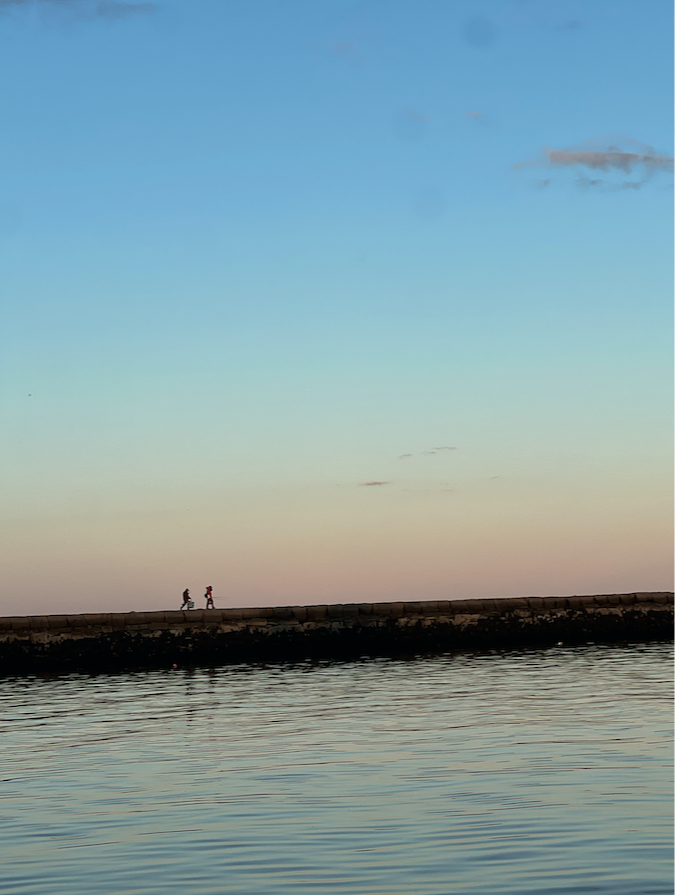
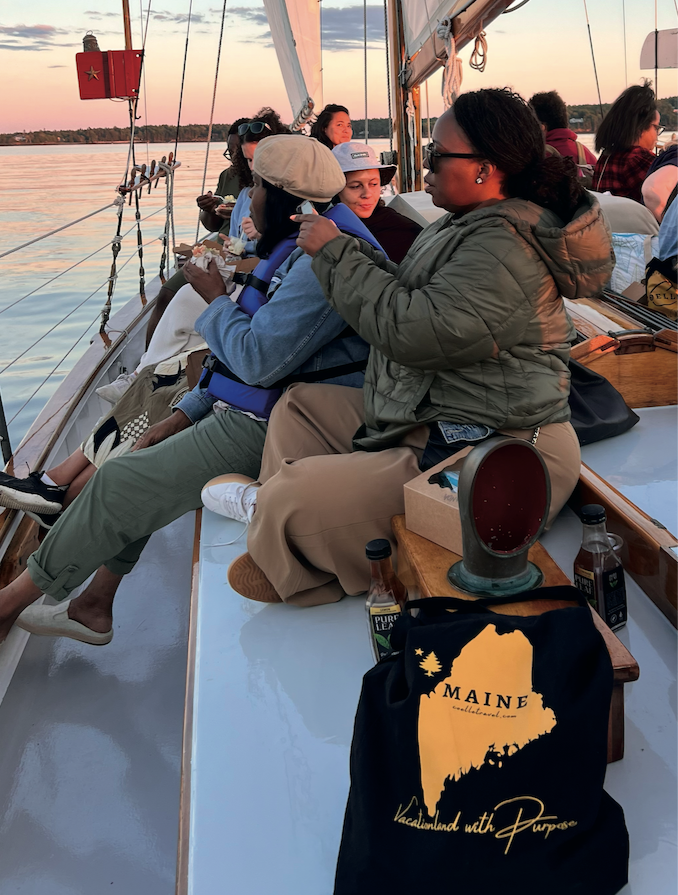
Coelle Travel invites guests into conversation with artists, farmers, Indigenous leaders, and small business owners.
FINDING HOME IN MAINE
When I arrived in Maine during the pandemic, that kind of connection wasn’t easy. My flight was canceled twice, and after months of waiting I finally arrived to begin my PhD in business management at the University of Maine at Farmington. Much of that first year was spent in isolation.
Then, as people gathered again, my advisor and his wife welcomed me into their home with Persian food and extraordinary kindness. They became the first of many Mainers who made me feel less like a visitor and more like family.
I found organizations that introduced me to the outdoors. I learned to embrace winter through festivals and ice skating instead of enduring it. I discovered the simple joys of clean air, fresh water, and nature that always seemed close at hand.
As I traveled across the state, I met farmers, artists, entrepreneurs, and community leaders who generously shared their stories. With the encouragement of mentors who believed in community-centered work, I began imagining how others could experience Maine the way I had—not only through its landscapes, but through the people who make those places meaningful.
What began with loving one person became loving an entire community.
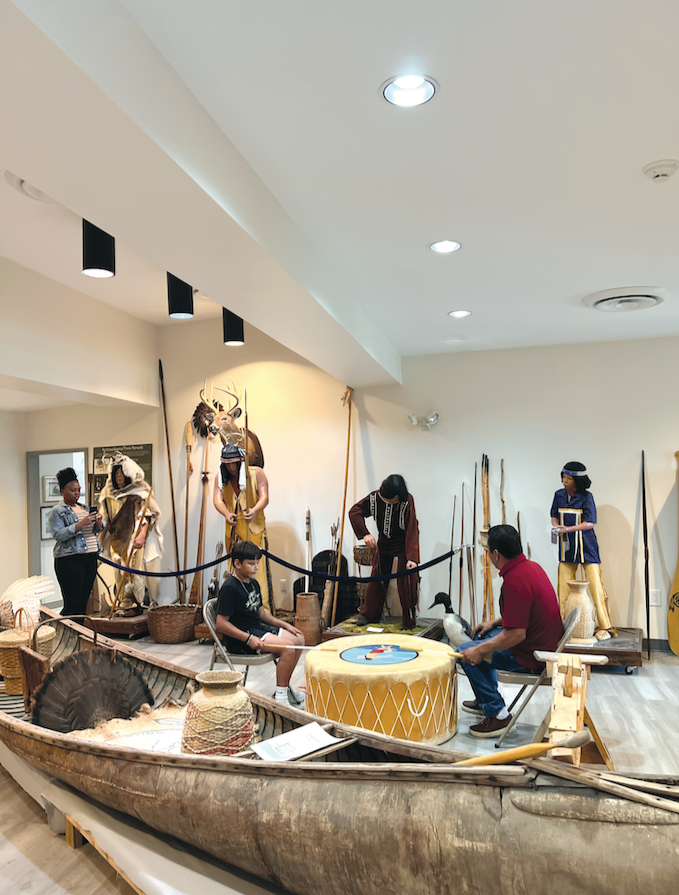
Participants visit the Abbe Museum.
COMMUNITY-BASED TOURISM
A few years ago, I began asking a simple question: What if visitors could experience Maine the way I had? Not through a checklist of attractions, but through the people whose vision, passion, and work create Maine’s character.
That question became the foundation of Vacationland with Purpose, an initiative of my company, Coelle Travel, that champions community-based tourism across Maine.
Rather than checking attractions off an itinerary, we introduce travelers to the people whose work gives Maine its character. We partner with artists, farmers, historians, Indigenous leaders, entrepreneurs, and small businesses, especially in rural communities, so tourism dollars remain in the places visitors have come to experience.
Maine’s greatest asset isn’t its scenery alone. It’s the people who care for it.
One recent journey began not at a lighthouse, but over coffee in Portland’s Bayside neighborhood.
At Coffee By Design, founder Mary Allen Lindemann introduced guests to a business rooted in relationships, sustainability, and community. Nearby at Orange Bike Brewing, travelers met Adilah Muhammad, founder of The Third Place.
That visit was especially meaningful to me. When I first moved to Maine, The Third Place was one of the first communities where I truly felt I belonged. Through years of trust-building, Muhammad has created more than a network—she has built a space where Black Mainers connect, support one another, and thrive. For our guests, it revealed a fuller picture of Maine influenced by Black entrepreneurs, educators, artists, and community leaders whose stories deserve greater visibility.
The journey continued in Bangor and Orono with historian Bob Greene, who has spent decades preserving Maine’s Black history. Through conversation and a walking tour, he reminded us that understanding Maine means recognizing the people whose contributions have built its past, present, and future.
Farther down the coast, artist and community leader Desiree Lester welcomed visitors into Rockland’s creative community. Through her work with The Artist Assignment, she connects artists, businesses, and neighbors while showing visitors that art is not only about expression—it is about building community.
In Stonington, conversations with the Island Institute explored how island communities are adapting through local leadership, innovation, and stewardship. At Smithereen Farm in Pembroke, guests learned how sustainable agriculture connects people to the land while supporting future generations of farmers.
Perhaps the most important conversations happened with the Wabanaki people.
At the Abbe Museum, visitors learned that Indigenous history is not confined to the past—it is living, evolving, and present today. That understanding deepened in Sipayik, where Passamaquoddy language keeper Dwayne Thomas shared stories, songs, language, and traditions that continue to strengthen his community.
As an Indigenous person from North Africa, being welcomed into Indigenous communities here has always felt deeply meaningful. Those experiences remind me that connections across cultures often run deeper than geography.
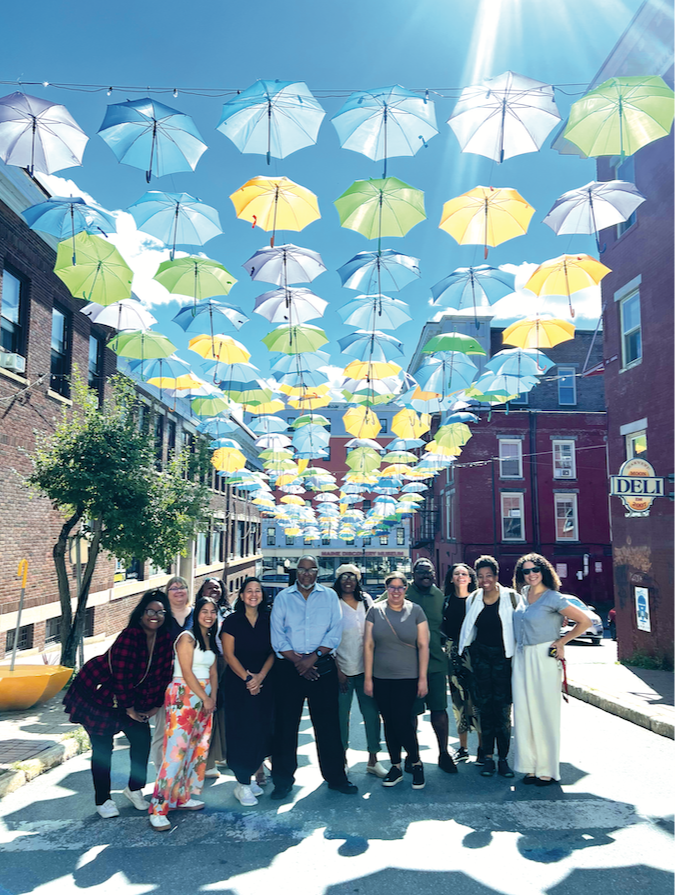
What began with loving one person became loving an entire community.
THE PEOPLE WHO MAKE MAINE
Again and again, travelers tell us these become the moments they remember most.
Not the lighthouse. Not the coastline.
Rather, what endures are conversations with the artist who opened her studio, the historian who shared forgotten stories, the farmer stewarding the land, the language keeper preserving culture.
Years ago, I arrived in Maine because of love. What I found was something even greater. I found people who opened doors, shared meals, created space at their tables, and showed me what community truly means.
Today, when someone asks me about Maine, I rarely start with the mountains or lighthouses. I begin with the people.
My Vacationland is not defined by where I go. It is defined by the community who makes me feel connected when I get there. Maine has taught me that the strength of a place is not measured by its landmarks, but by the people who choose every day to care for it, contribute to it, and share it with others.
This is my Maine. This is my Vacationland.
To learn about Coelle Travel’s sustainable tourism experiences, visit coelletravel.com