

The Making of Men
FEATURES
A new documentary project becomes an intimate meditation on community, nature, and the complicated inheritance of masculinity
Words & Photos by Pete Muller
I was prone to trouble as a kid. Knowing this, my mother conscripted me into service during her night shifts as a newspaper photographer in the city of Lynn, Massachusetts. I’d carry her bag, jot down names, and keep her company between ribbon cuttings and sporting events. When her assignments finished, we’d race to fires, shootings, and other emergency calls that crackled across the police scanner. From the safety of the company car, where she insisted I remain, I’d watch her move through flashing red and blue lights. At the end of the night, in the darkroom, I’d ask questions about what we’d seen and why. Her answers were shaped by compassion and formed the basis of my education about the world.
I nourished my interest in people with the study of history but learned that I wasn’t built to sit quietly and read books. I thought that visual journalism might suit me as it rewarded my desire to be so close that I’d be shoved and splattered. For nearly 15 years, I worked as a photojournalist in Africa and the Middle East, where I sought to understand and communicate the causes of ongoing armed conflicts. During that period, I came to see ideas of masculinity as a central feature of the violence I sought to understand.
This interest came from both an intellectual and emotional place. I never knew my own biological father and did not learn that I was adopted until my early twenties. My adoptive father is a reserved and bookish man who, though he and my mom split up when I was a toddler, taught me things about art and nature and discipline. But the heavy lifting of child rearing was done by my mother alone. The difficulties of her own life and circumstances gave her a fiery temper and a tireless work ethic. Her instructions to me about “manhood” were born both of practicality and her own complicated wounds. In the fog of it all, I wondered what those influences meant for me as a man—and whether other men had questions of their own.
In 2021, I returned to New England and began what would become the documentary Bucks Harbor. I met Nathan Golon, a talented cinematographer from Maine, and we began to think about how we might collaborate on a project relating to this theme. Nathan had friends in the town of Machias and suggested we visit them and discuss our ideas. When we arrived that summer, we did not bring cameras. With the help of our friends, Jake and Morgan Patryn, we simply began to meet people. We shared our ideas and listened widely to what people thought about them. Slowly, over the coming months, we began to film those with whom we sensed a shared curiosity and interest.
The project grew into five years of winding, intimate conversations with the film’s participants. Each person felt familiar, reminding me of relatives, friends, and of myself. While Bucks Harbor is built around their lives, it is reflective of mine, too. During our years together, I asked my own questions aloud during our conversations. What did the lessons of boyhood prepare us for? What do our families, friends, and societies truly want and need from us? How do vulnerability and survival comfortably coexist, particularly in environments of scarcity? And most importantly, how do we feel beneath the stoic exterior we’ve been encouraged to assume? The film does not posit answers but instead explores the emotional and experiential terrain that surrounds such conversation.
But Bucks Harbor is not a film only about men and boys. Women are critical in this inquiry too—both as influencers of masculinity and as fluid inhabitants of the identity themselves. And in accordance with life Downeast, Bucks Harbor is also as much about labor, family, and our abiding relationship with the natural world. Perhaps most centrally, but not as obvious, the film is about listening—to each other and to the world around us.
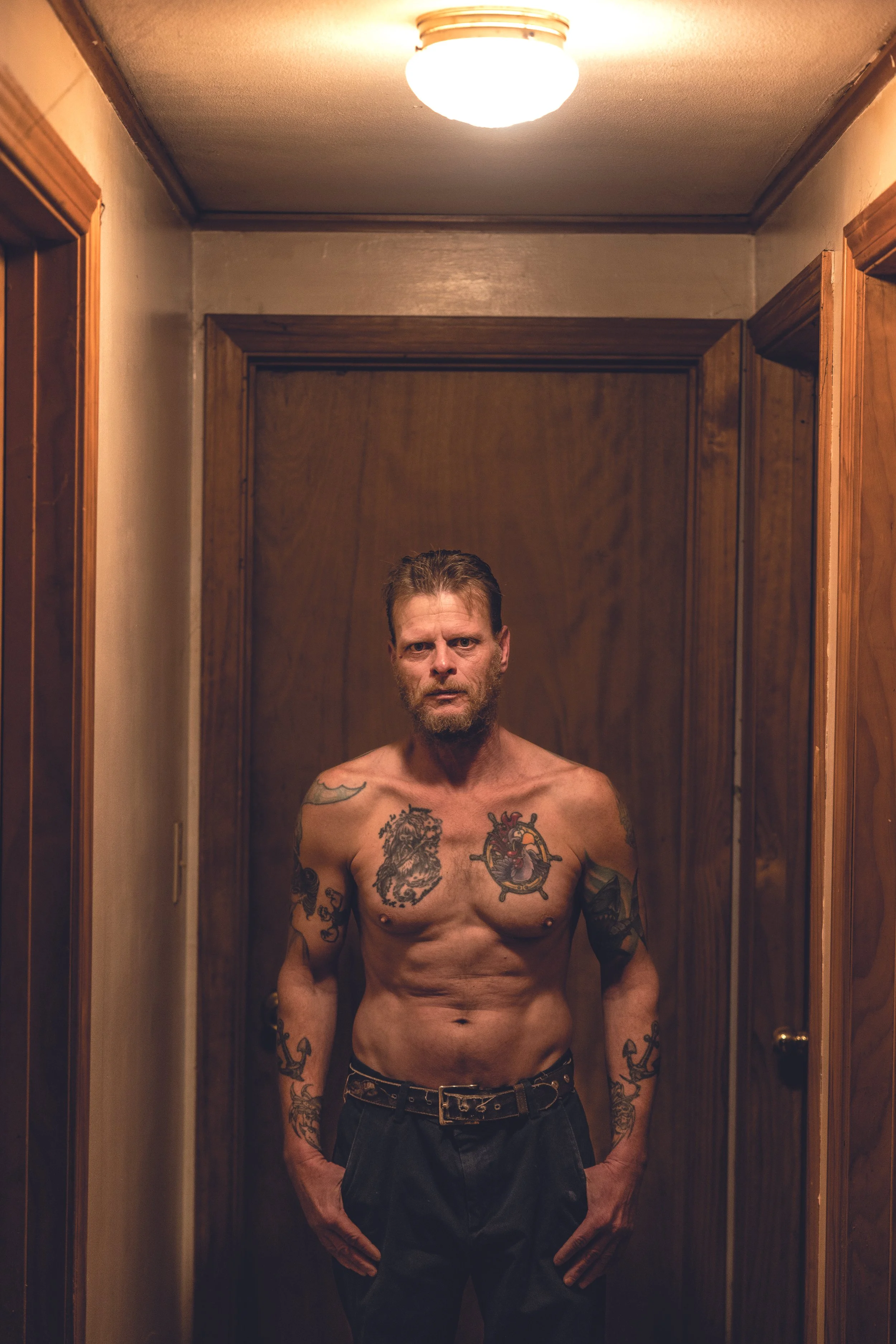
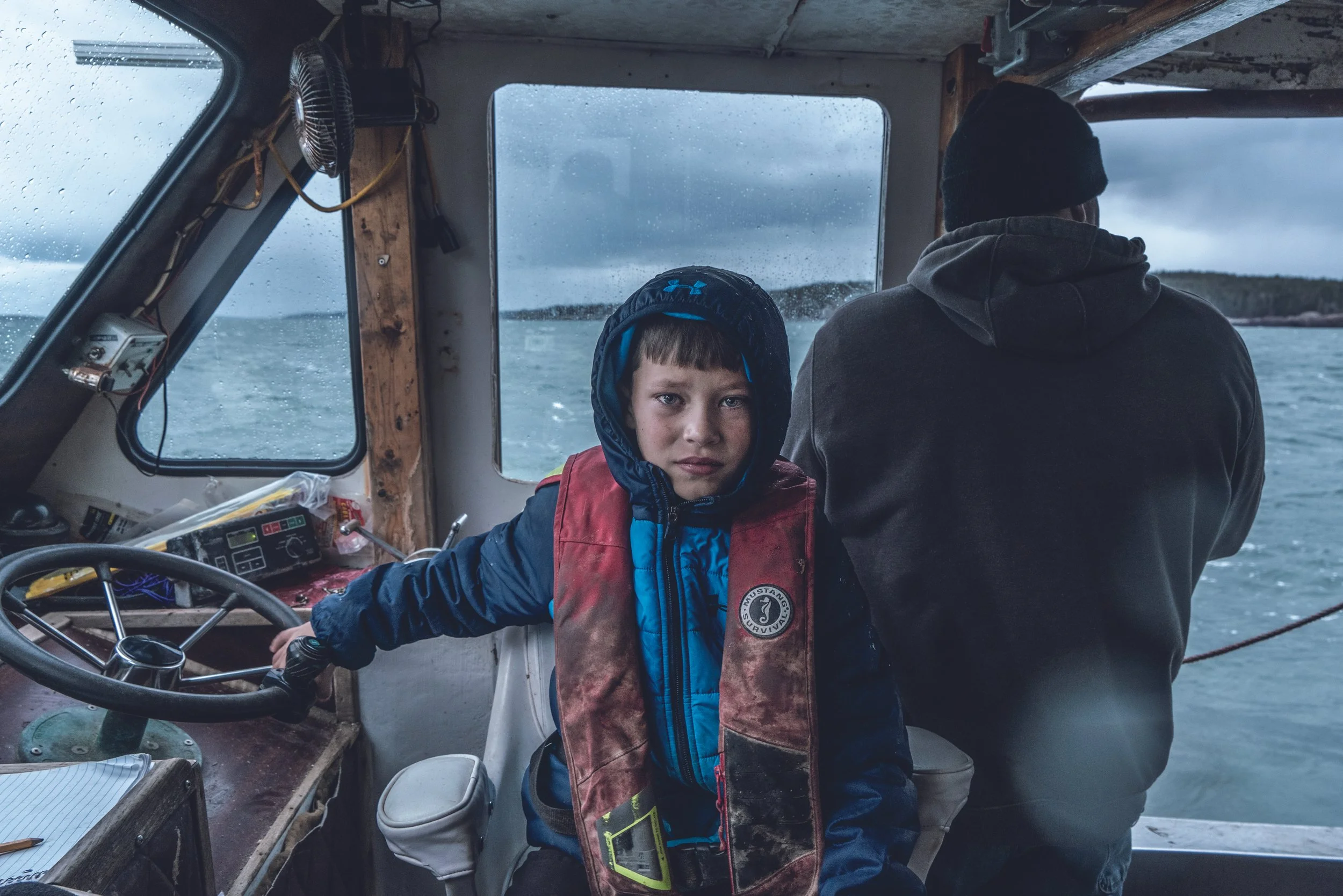
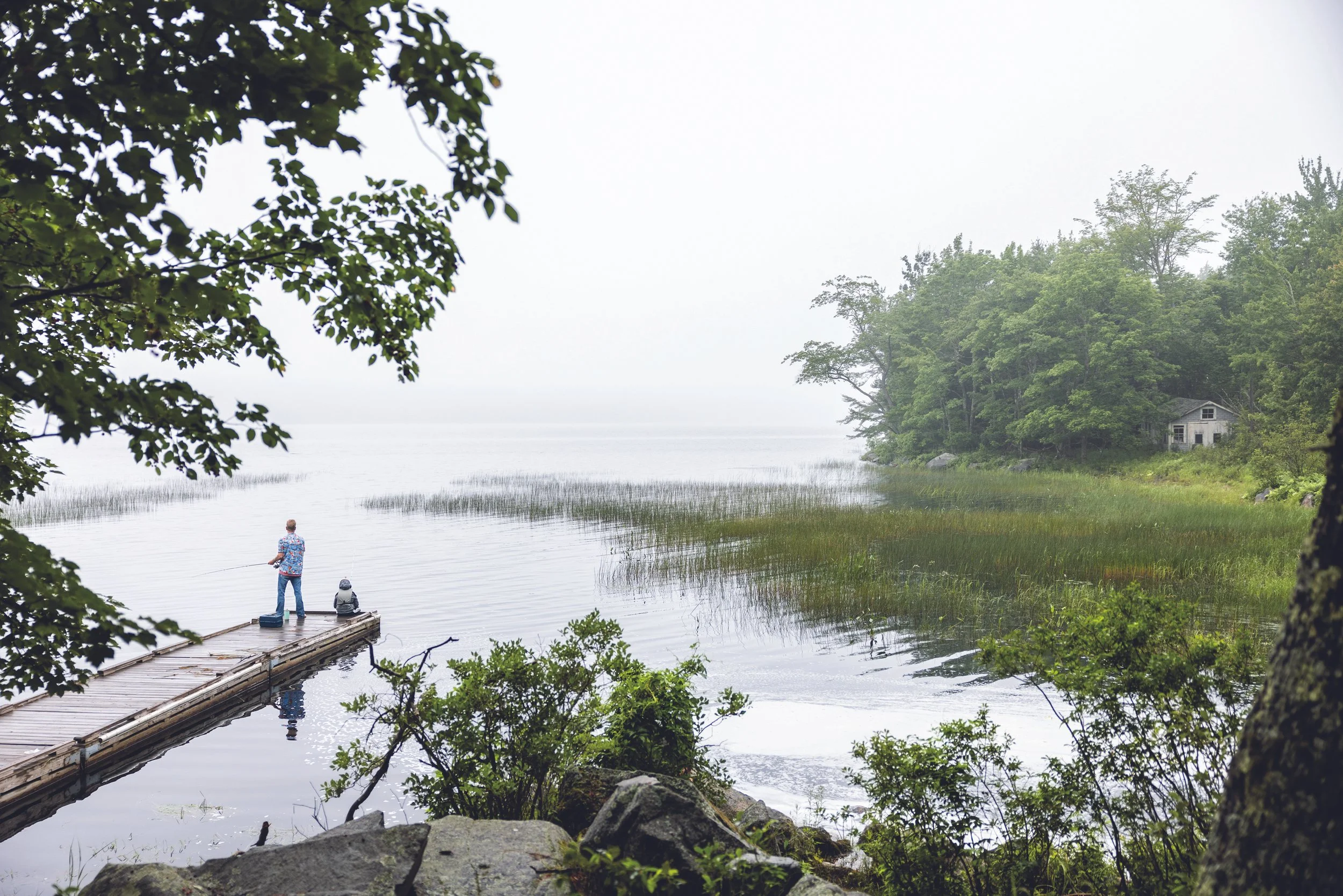
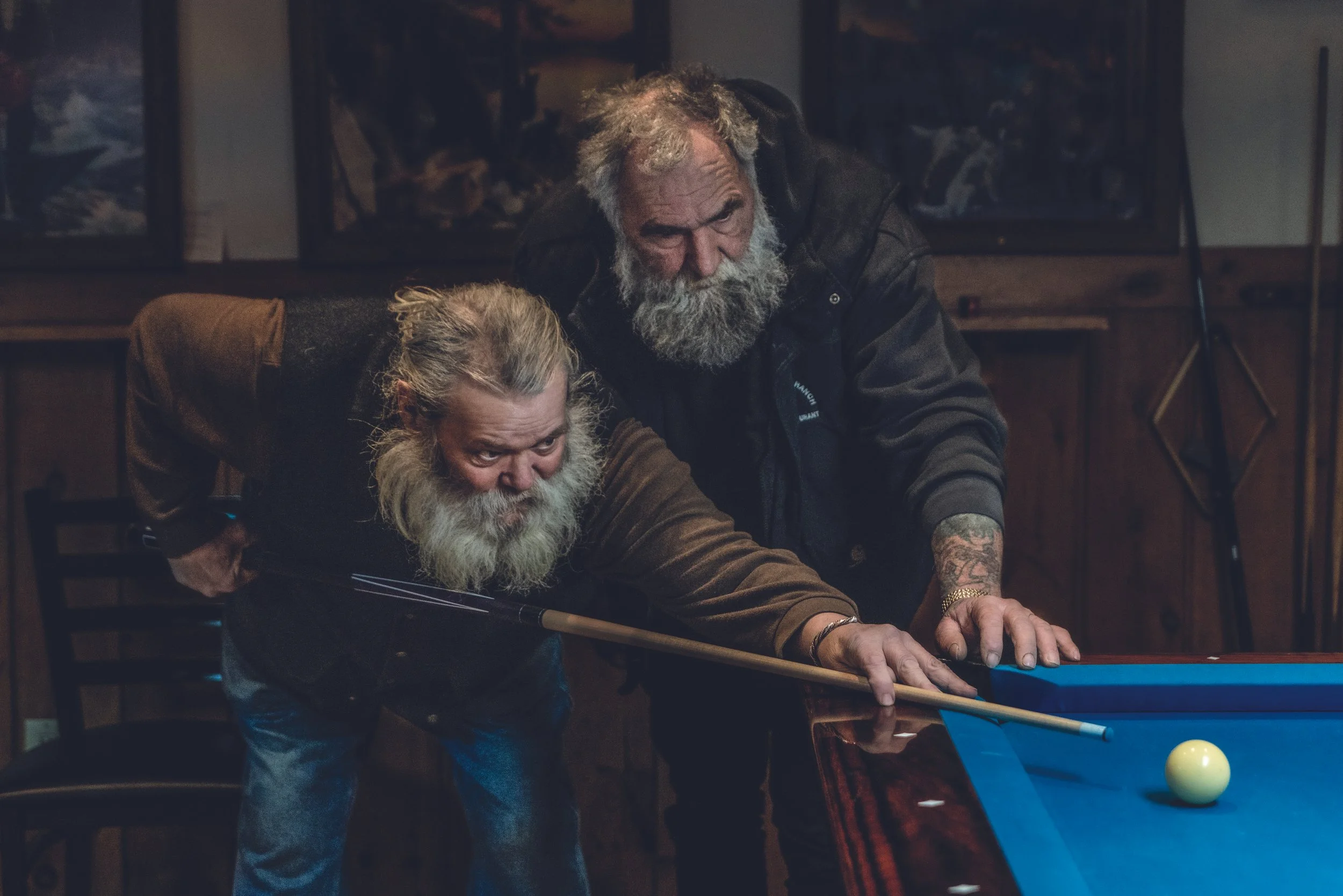
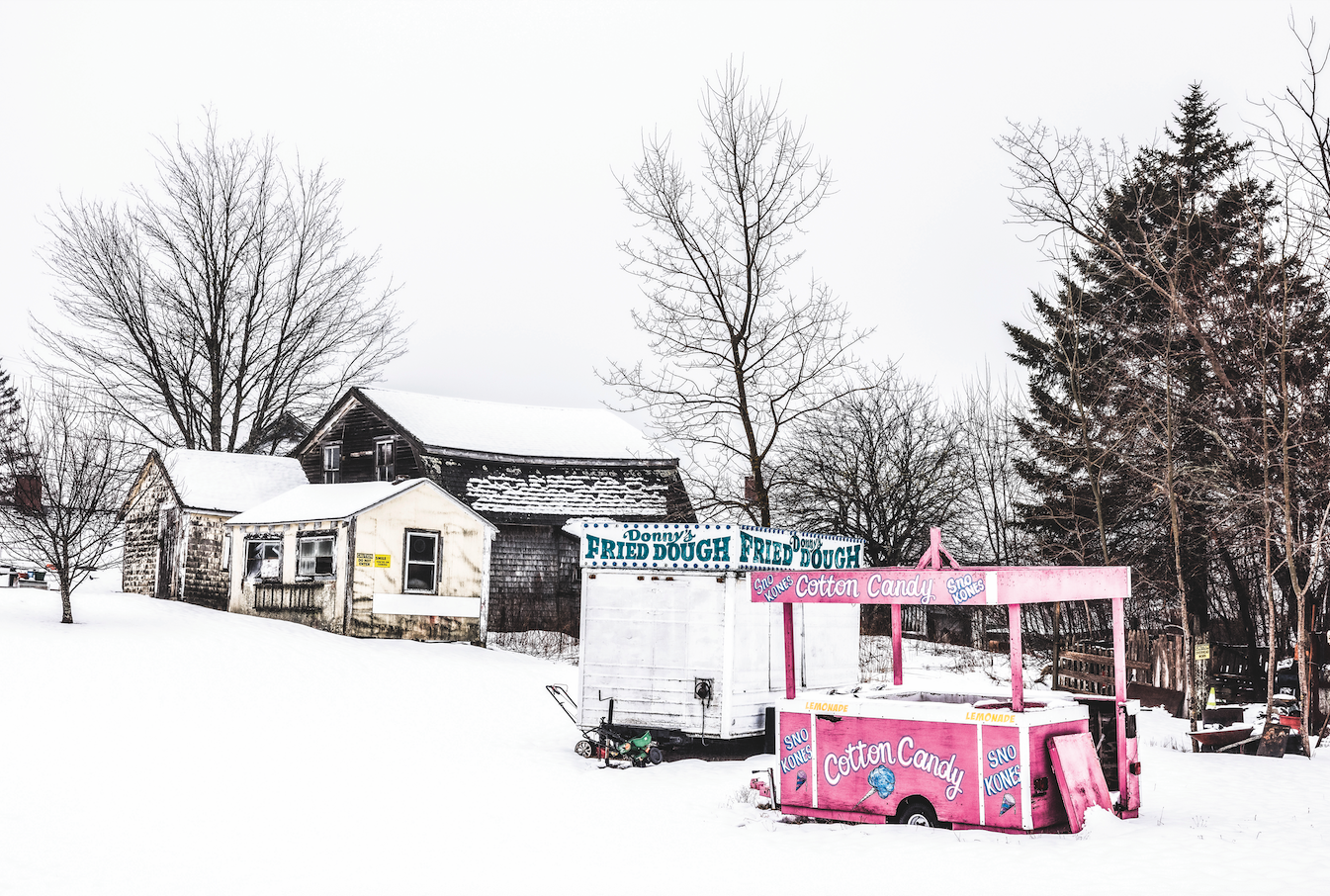
Throughout the years of making the film, I took pictures. When my mind was overwhelmed with the complexities of production, I found comfort in this simpler and more familiar act. Year after year, as the seasons changed, I stood in the frost and fog looking for the visual cadence of the place. Over time, pictures of spruce trees and snow merged with the faces of those I’d come to know and care for in a kind of liminal, visual melody. For the first time in my photographic life, I’ve withheld lengthy informational captions as an invitation to viewers to decide what lyrics might accompany the tune.
Watch the trailer for the Bucks Harbor documentary by clicking here.