

The Long Journey to Your Morning Sip
Feast & Toast
Why I will never dump out another cup of coffee
Words & Photography By Maggie Knowles
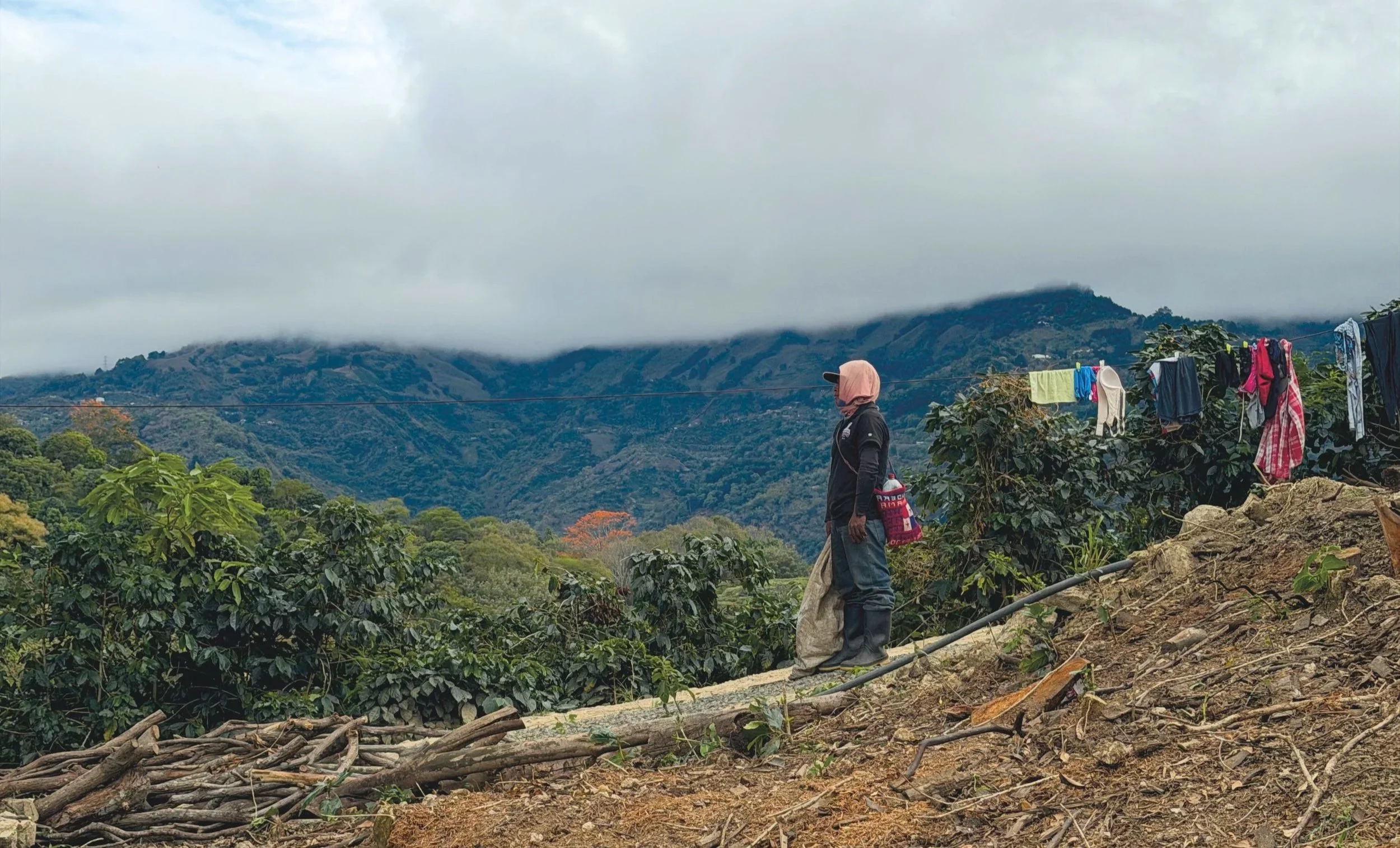
An hour into picking coffee cherries, and I haven’t even covered the basket’s bottom. Despite best efforts, my clumsy fingers picked too many unripe lime green cherries when they should all be cranberry red. The usable cherries I have picked wouldn’t even fill a pound bag found at Hannaford.
I am working at 5,000 feet above Costa Rica’s sea, closer to the sun than my Irish constitution prefers. Beside me, a professional coffee picker easily balances on this shared terrace that is as steep as a Black Diamond ski trail. Sweat runs down my entire face as I watch his nimble fingers pluck only the ripest coffee cherries with lightening speed. We have been working for the same length of time, and his basket is ready to spill over. Since daily wages equate to volume, I hold off on the chatter so as not to interrupt his process and cut into his pay.
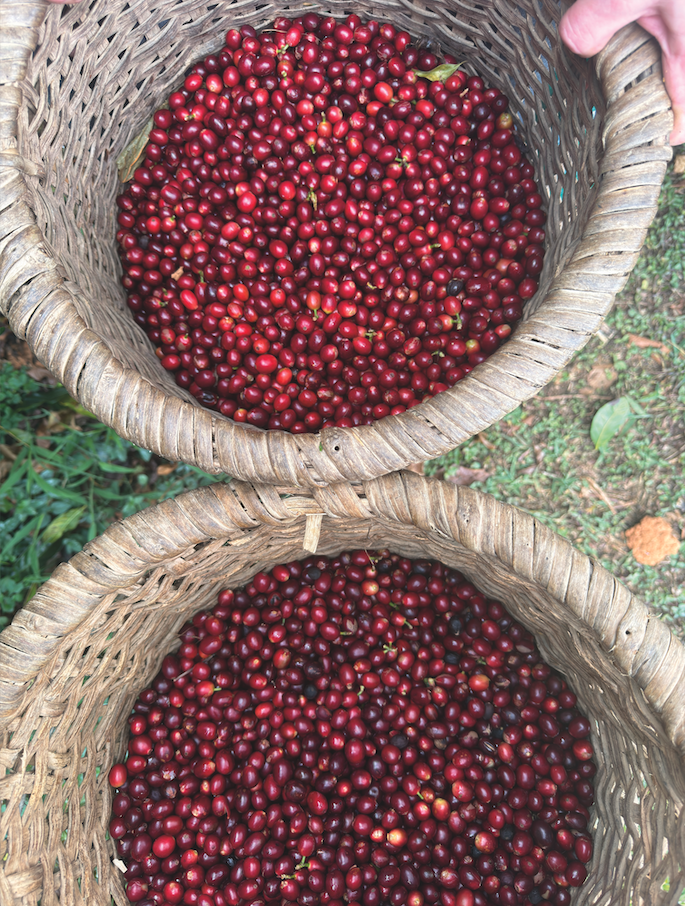
Scattered across 680 mountainside acres full of coffee trees, Hacienda La Minita’s employees have been at work since 6 a.m. The intense harvest season starts after November’s rain ends and booms until early March. In the span of four months, each of the farm’s two million trees will have been picked three times as the cherries ripen at different stages.
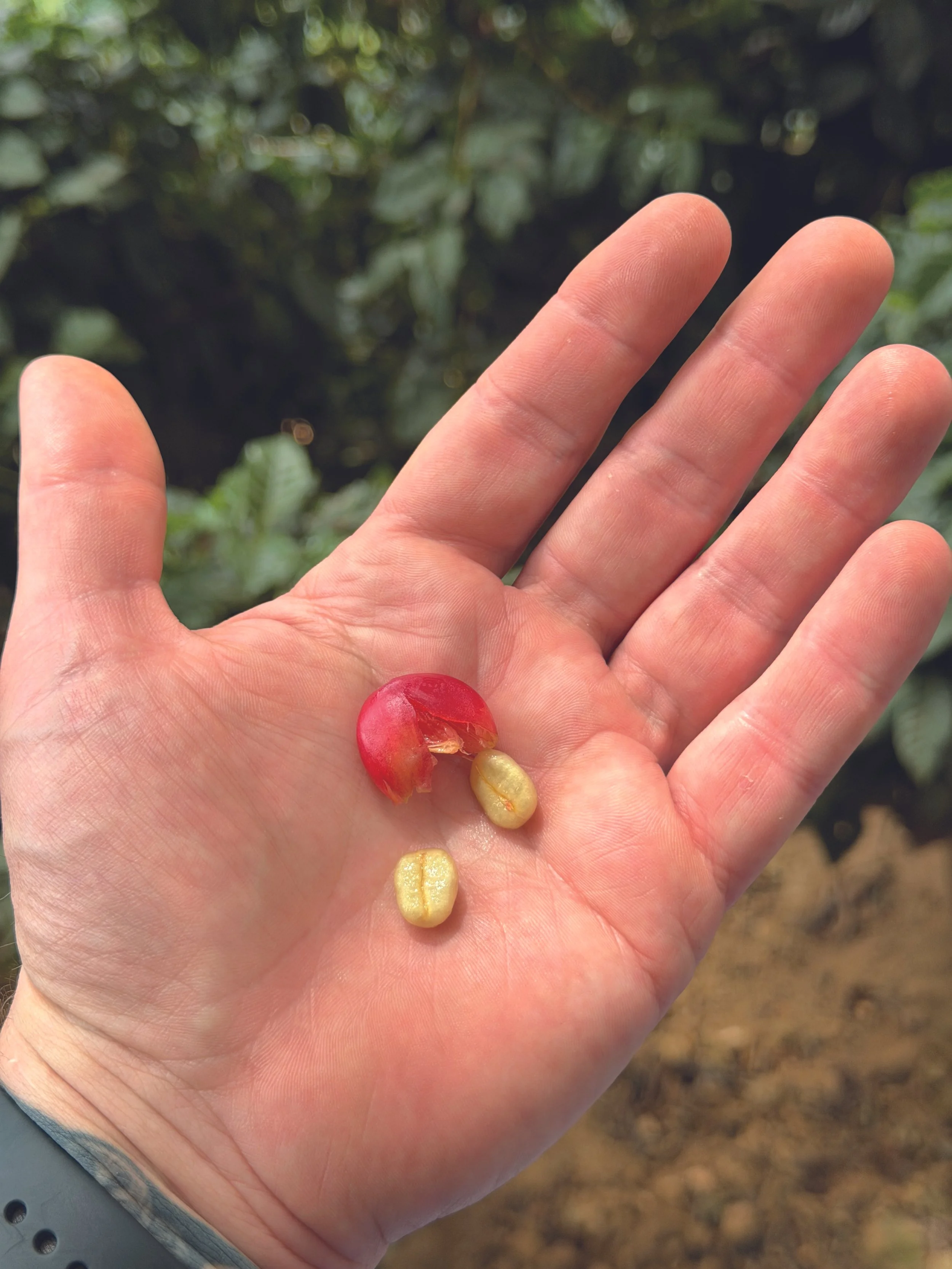
Two green coffee beans grow inside each cascara, which is Spanish for husk.
After each nine-hour shift, the coffee pickers line their full burlap bags—that can weigh about 80 pounds each—along the road to await the crew that will weigh, pay and truck away the harvested fruit to be washed—a process that separates the skin and pulp from the inner seeds. The total on this January day was 41,800 lbs … and maybe an extra half pound from me.
Few of us truly realize the invisible work that goes into getting foodstuffs like produce, seafood, and coffee from their origin to your mouth. Second to oil, coffee is the world’s largest dollar-volume commodity. Unlike oil, we don’t think twice about pouring it down the drain.
To get into your morning mug, each cherry goes through picking, washing, drying, milling, sorting, shipping, and roasting. With the exception of Hawaii, the U.S. doesn’t have a coffee growing climate, so your beans started their journey continents away. And like with any global crop, there are certainly brands that do it much better than others.
When it comes to the planet and human element at the forefront of each step, Hacienda La Minita sets the standard for both sustainability and care of employees and their families.
Portland-based Coffee by Design’s founder, MAL, travels the world to ensure that the coffee farms she supports uphold her ethos that, “Great coffee can be a catalyst for ethical stewardship, positive social change, artistic creativity, and building community.” And that starts with Coffee by Design’s farm partners.
MAL and her team have been visiting Hacienda La Minita in particular for years to educate on the foundational stewardship that has served each bean since founder Bill McAlpin purchased the property in 1980. In order to buy the land in the central Los Santos area of Costa Rica, McAlpin remortgaged his Bar Harbor house. The investment would go on to produce what experts deem as the best coffee in the world. And the best-of-the-best? Only 50 bags of the farm’s premium microlot beans are hand-selected to become the coveted La Minita Estate sun-dried coffee annually.
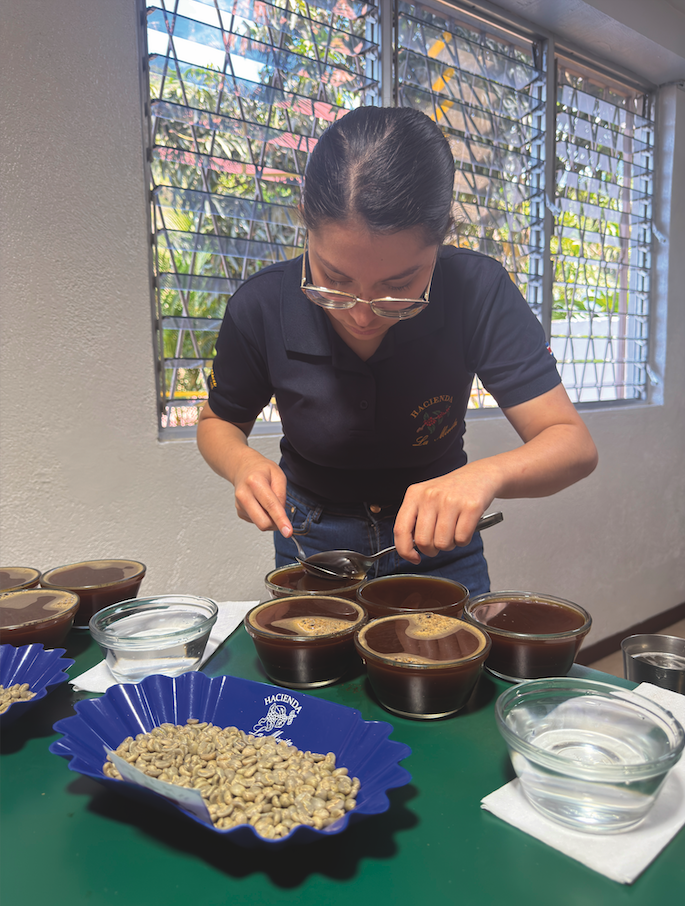
“Cupping” is a sensory experience that determines the quality of the coffee.
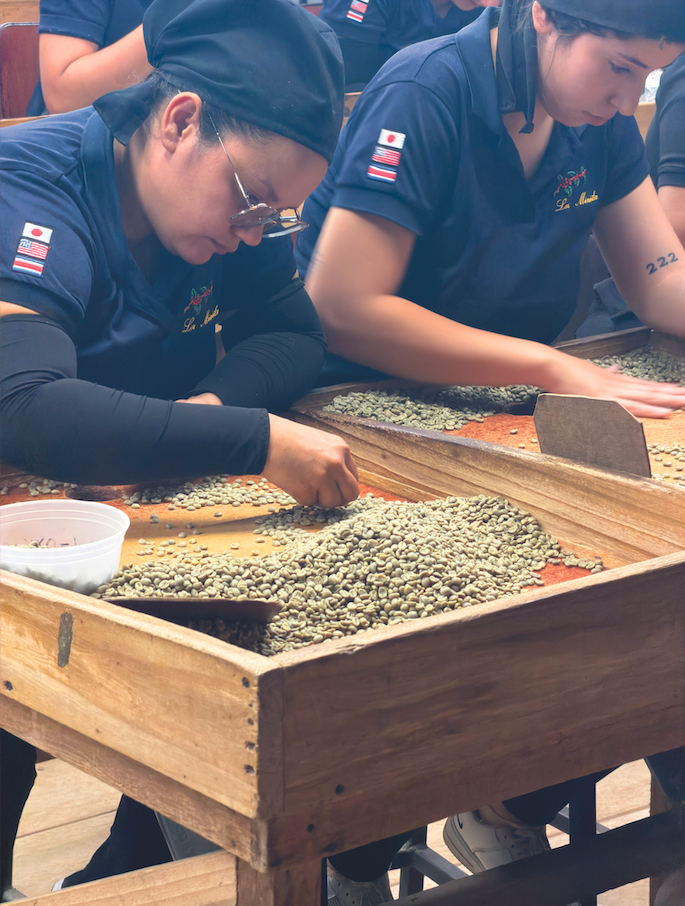
La Minita’s first quality beans are hand-selected. With over 30,000 hours of worker effort, it is considered the world’s finest.
I was lucky to be a part of a group that included professional baristas, chefs, arts and culture champions, MAL, and our incredible host, Jim McEnaney, who gave us a full behind-the-scenes experience where each day we witnessed (and participated in) most legs of the coffee journey. I will speak for our team that commuting down mountains in the back of a modified Land Cruiser on pitches that would make San Francisco blush was the part our knees will never forget.
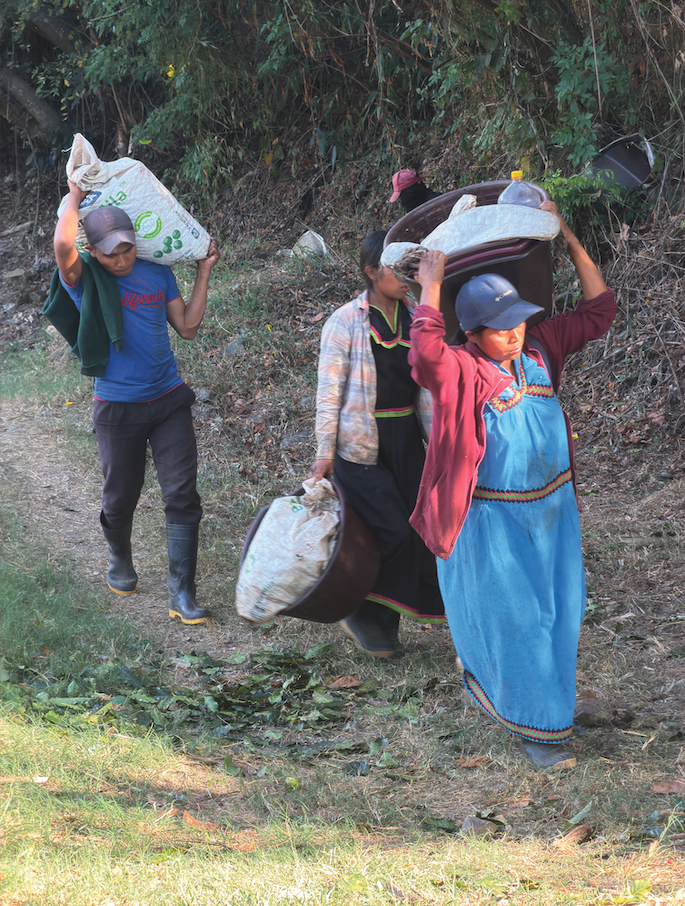
A cuadrill of pickers carry their day's harvest up steep slopes to await the cashier to arrive.
Sustainability at La Minita is more than a marketing slogan; it is a promise to future generations. The 100% carbon-neutral farm operates without herbicides or pesticides, protects hundreds of acres of old-growth forest, carefully conserves water and soil, generates renewable hydroelectric power, and transforms discarded coffee fruit into fuel for drying the beans.
Despite the “best coffee in the world,” accolades, La Minita’s true beacon of success is in how they treat and respect their employees. Their workers are supported with competitive wages, on-site medical and dental clinic, housing, and educational programs for their families. Despite the backbreaking work of coffee picking, La Minita is one of the few farms that offer this—although their standard is inspiring others to follow suit.
Our team spent a morning at the on-premises school bringing along soccer balls, stickers, lip balm, bracelets, and lots of hugs. (I had my hair braided by at least 10 little girls.) After coffee, soccer might be the real universal language and these kids played for hours with us.
Before the beans ever leave the farm, they’re “cupped,” a tasting process where each lot is evaluated for aroma, sweetness, acidity, body, and balance. After the green beans are graded, small samples are roasted, ground, and steeped in hot water around a ceremonial cupping table.
In a nutshell: Tasters first smell the dry grounds to evaluate the aroma; add hot water and smell the ”crust” that forms on top; break the crust with a spoon, releasing more aromas; skim off the grounds, and slurp the coffee quickly and loudly to spread it across the entire palate. (We all choked at first.)
This magazine celebrates buying local, but I’ve come to understand that local businesses don’t exist in isolation. By supporting Coffee By Design and the intentional relationships they’ve built with farms like Hacienda La Minita, we’re also supporting the farmers, families, and communities whose care and craftsmanship make that cup possible.
Knowing the story behind your coffee—not just its origin, but the people, land, and stewardship—makes your first sip each morning stand for much more. As MAL says, “A great cup of coffee changes lives.”
And that is a caffeinated superpower.
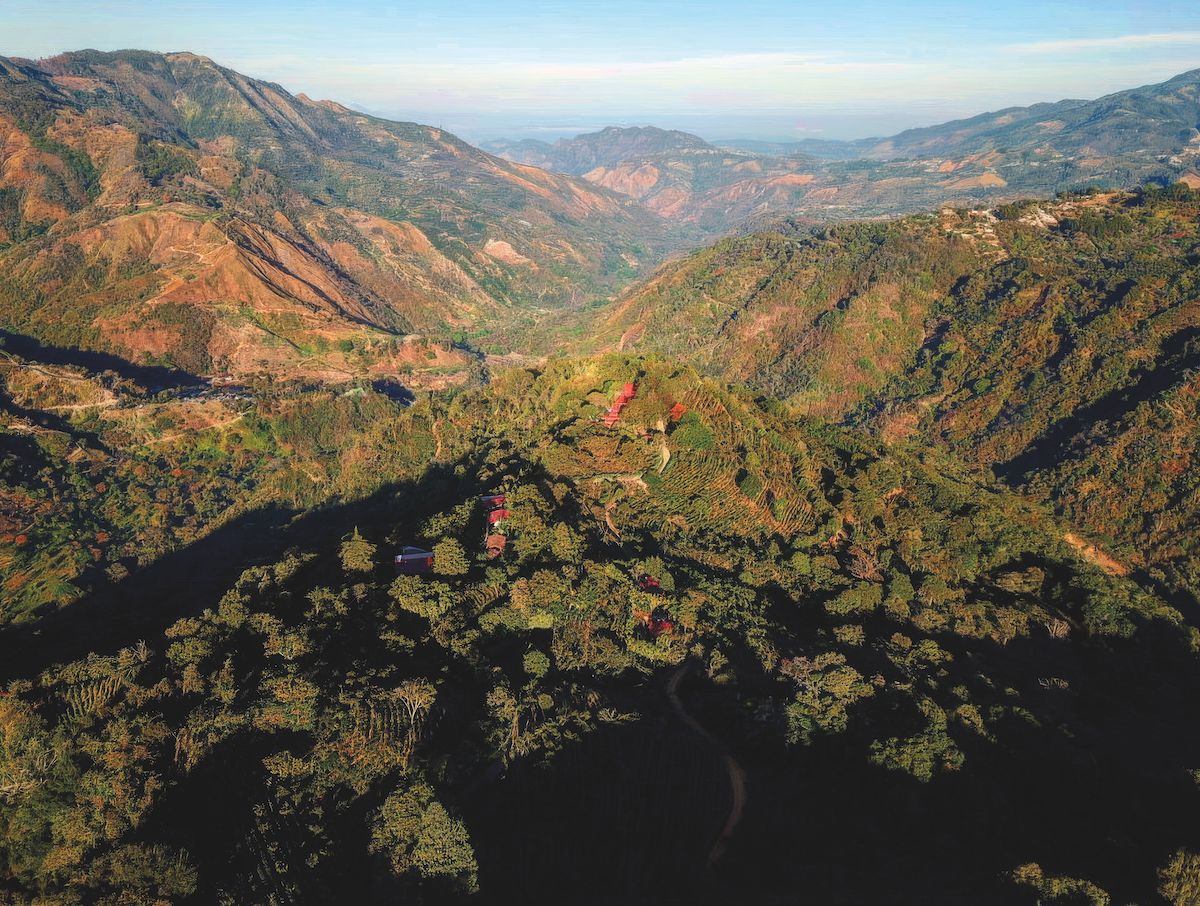
La Minita means “the small mine.” Local legend has it that pre-Columbian indigenous people came to look for gold on the land that is now the farm.
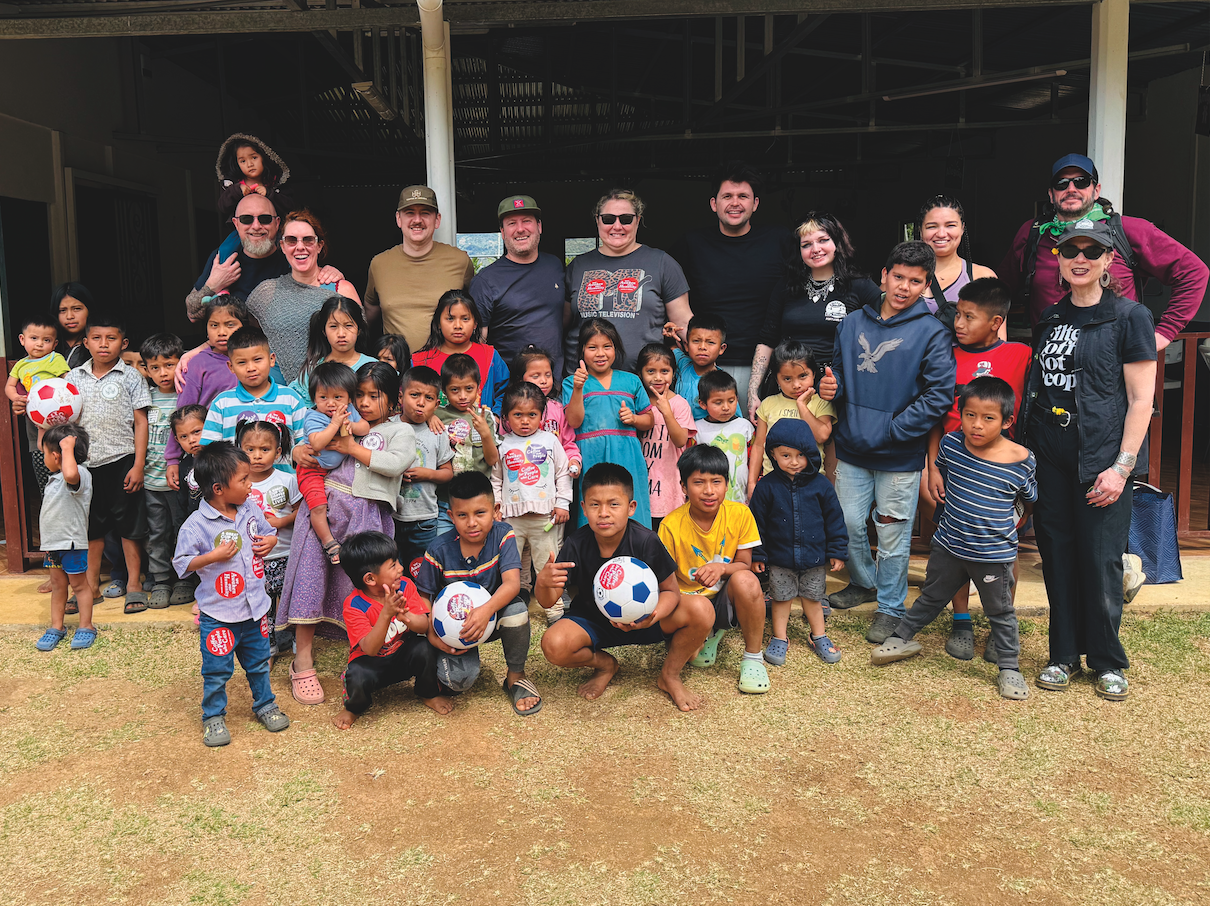
Our team visited the farm's on-site school and happily played “fútbol,” with the students for hours.
To buy Hacienda la Minita’s coffee, visit coffeebydesign.com